


Household Insecticide
Household Insecticide
-

Global DEET (Diethyl Toluamide) Market Size and Global Industry Report 2023 to 2031
The global DEET (diethylmeta-toluamide) market presents a detailed report |over 100 pages|, which is expected to witness significant growth in the coming years. The introduction of new technologies and innovative solutions will help increase market revenues and increase its market share b...Read more -
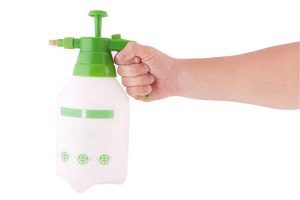
Breakdown products (metabolites) of pesticides can be more toxic than parent compounds, study shows
Clean air, water and healthy soil are integral to the functioning of ecosystems that interact in the four main areas of the Earth to sustain life. However, toxic pesticide residues are ubiquitous in ecosystems and are often found in soil, water (both solid and liquid) and ambient air at le...Read more -

What Are the Consequences of Excessive Use of Carbendazim?
Carbendazim, also known as Mianweiling, is low toxic to humans and animals. 25% and 50% Carbendazim wettable powder and 40% Carbendazim suspension are commonly used in orchards.The following describes the role and use of Carbendazim, the precautions for using Carbendazim, and the consequences of ...Read more -

Is Spinosad harmful to beneficial insects?
As a broad-spectrum Biopesticide, spinosad has far more insecticidal activity than organophosphorus, Carbamate, Cyclopentadiene and other insecticides,The pests that it can effectively control include Lepidoptera, Fly and Thrips pests, and it also has a certain toxic effect on certain specific sp...Read more -
How are sanitation pesticides used?
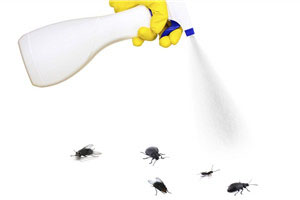
Hygienic pesticides refer to agents that are mainly used in the field of public health to control vector organisms and pests that affect people’s lives. It mainly includes agents for controlling vector organisms and pests such as mosquitoes, flies, fleas, cockroaches, mites, ticks, ants and...Read more
