


April 1st News: Market experts recently stated that the soaring costs of fertilizers and fuels are beginning to influence the farming decisions of major exporting countries. Market experts in Thailand and the United States pointed out that rice farmers might reduce their production inputs, which could lead to a reduction in rice production and might exacerbate global supply shortages in the following year. However, India has sufficient fertilizer stocks and government support, which helps protect its domestic market from direct impact.
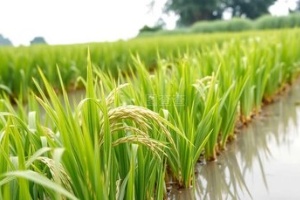
This difference between cost pressure and policy support is expected to widen regional supply imbalances, potentially supporting global rice prices and increasing the reliance of global importers on Indian supply.
Thailand:
Cost pressures affect agricultural decisions
As the costs of fertilizers and fuels have risen sharply, market players in Thailand have noticed early signs of a shift in farmers’ behavior. A salesperson in Bangkok said that given the current low prices of rice, he believes farmers are more likely to reduce the amount of fertilizer used or decrease the area of cultivation.
Another salesperson in Bangkok said that this season’s crop planting is extremely challenging, not only due to the soaring costs of fertilizers but also the significant increase in fuel prices. Gasoline prices have risen by approximately 30%, and supply shortages are disrupting harvesting operations, causing crop damage in multiple regions.
According to the latest report from the U.S. Department of Agriculture’s Foreign Agricultural Service (FAS), Thailand’s rice production for the 2025/26 fiscal year (January to December) is expected to drop to 20.4 million tons, lower than the 20.8 million tons of the previous year. This is mainly attributed to the planting area decreasing from 11.08 million hectares in the previous year to 10.80 million hectares.
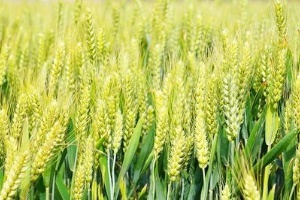
United States:
Soaring fertilizer prices threaten planting areas
In the United States, the increase in fertilizer prices is expected to have a more significant impact on planting decisions, especially when profits are already meager.
A food industry insider stated that the recent surge in fertilizer prices is bound to have a major impact on the US rice market. Industry experts pointed out that there is still approximately a 30% shortage of fertilizer needed for the 2026/27 rice crop. Most of the fertilizer was purchased by farmers before the escalation of the conflict in the Middle East. Before the Middle East war, the price of phosphate fertilizer fluctuated between $475 and $500 per ton, but it has now soared to $800 per ton or even higher.
An American rice market analyst pointed out that since the outbreak of the conflict in the Middle East, fertilizer costs have soared by 70%-75%, raising concerns about a reduction in planting areas, although the specific impact is still unclear.
However, the situation varies from place to place. In California, the output of medium-grain rice is expected to remain stable. A grower said that due to the lack of viable alternative crops, the area of rice cultivation in California is unlikely to decrease.
Apart from the cost of fertilizers, producers are also facing increasing cost pressures, including transportation, chemicals and packaging, which further squeeze the profit margin.
The planting intention report released by the US Department of Agriculture on March 31 confirmed market expectations. The report shows that the planting area of long-grain rice this year is 1.648 million acres, a significant decrease of 24% compared to the previous year, and it will also be the lowest level since 1983, indicating a significant structural contraction in production capacity.
India:
Government measures mitigate fertilizer impact
In contrast, India seems to be largely immune to global fertilizer price fluctuations, thanks to its adequate inventory levels and the proactive measures taken by the government before the autumn sowing season.
The Indian Chemicals and Fertilizers Ministry released a report on March 10 stating that during the ongoing early spring sowing season (from October 1, 2025 to March 5, 2026), the supply of urea, diammonium phosphate (DAP), potassium chloride (MOP), and nitrogen-phosphorus-kiln compound fertilizer (NPKS) was very sufficient, capable of meeting agricultural demands, and the national inventory situation was good.
The document further states that in order to reduce supply risks and ensure uninterrupted supply, the government actively engaged with resource-rich countries to facilitate the signing of long-term agreements and memorandums of understanding between Indian fertilizer enterprises and international suppliers. These arrangements include importing 3.1 million tons of fertilizer annually from Saudi Arabia, 3.01 million tons from Russia, and 2.5 million tons from Morocco.
The Indian Ministry of Agriculture stated that India has been increasing imports through tenders. As of March 10th, the import volume had increased by 36.6% year-on-year. A rice exporter in Delhi said that according to his understanding, fertilizers are not yet a problem because India’s product mix is diversified.
Foreign Ministry Spokesperson Randhir Jaswal said at the inter-ministerial press conference held on March 19th that, in terms of the current fertilizer supply situation, especially for the crops of the autumn sowing season in 2026, the fertilizer stocks are sufficient. The Ministry of Fertilizers also issued a global tender in advance to cope with the current situation, and received a very good response. We expect that most of the fertilizers ordered from various channels will arrive by the end of March.
Market experts added that although fertilizer prices have risen, India is unlikely to be affected because the government will bear the impact of the price increase. This is similar to the situation in the oil market, where global oil prices have risen but domestic gasoline prices in India have not.
Post time: Apr-21-2026
