


Due to the fact that underground pests have indeed become more prevalent in recent years, the continuous implementation of straw returning to the fields and warm winters have provided favorable conditions for many underground pests. If the insecticide selected for wheat seed dressing is inappropriate, it can lead to problems such as seedling absence and垄breakage (discontinuity of rows) in wheat. Currently, the common seed dressing agents on the market mainly consist of nicotine-based insecticides with excellent internal absorption effects. The typical representatives are the three major insecticides contained in the seed dressing agents – imidacloprid, thiamethoxam, and thiamethionam.

1. Imidacloprid
Imidacloprid was the first insecticide applied to wheat seed mixing. It was the first generation of wheat seed mixture agent. It achieved great success in wheat cultivation that year, with excellent efficacy in controlling wheat aphids. After mixing with imidacloprid, there were really very few aphids in the later stage. However, the current problem with imidacloprid is that when used in large quantities over a long period, pests develop resistance. It is only suitable for areas with relatively few aphid occurrences or areas with general aphid resistance, or areas that have not used seed mixture agents frequently. The cost is relatively low. Additionally, imidacloprid has average efficacy against grubs and other underground pests. It is not recommended to choose seed mixture agents containing imidacloprid for plots with underground pest damage.

2. Thiamethoxam
Currently, it is the mainstream insecticide used for seed dressing of wheat to prevent pests. A typical representative is the tri-component formulation of benomyl·cyprodinil·thiamethoxam.
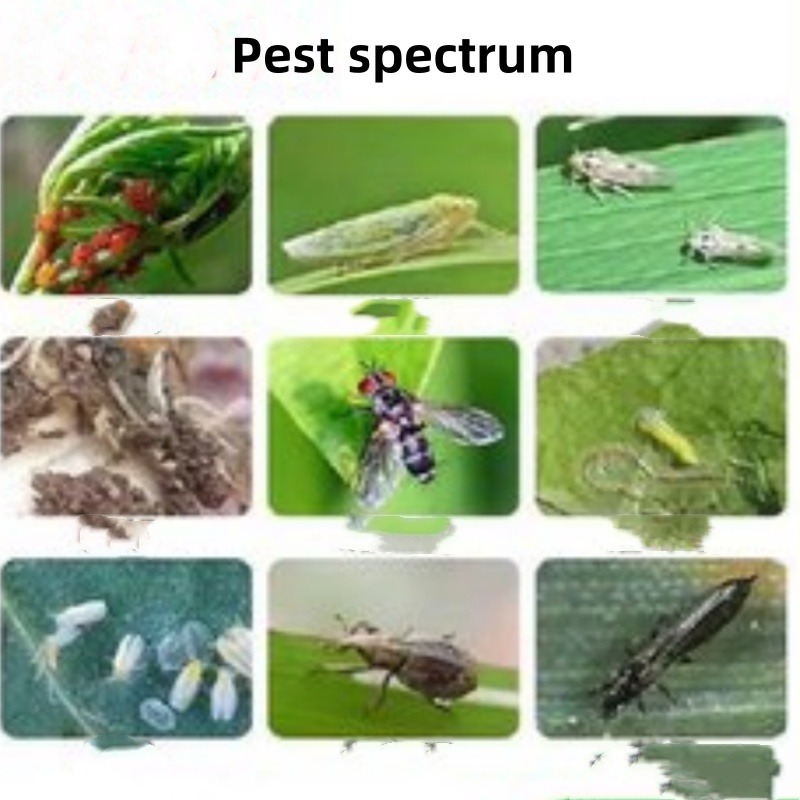
Thiamethoxam is the most effective systemic insecticide among the nicotine-based pesticides. It adheres to the surface of the seeds and can be absorbed by the root system later. As long as pests feed on the crops, they will be poisoned and die. It has a long residual effect and is highly effective in preventing pests such as aphids and grubs. Compared with imidacloprid, it has obvious advantages in systemic insecticidal effect and efficacy against underground pests. Currently, pest resistance is moderate. In addition, thiamethoxam not only has good pest control effects but also promotes root growth of crops, making it a very economical and practical seed dressing insecticide.
3. Clothiandin
In the past two years, many manufacturers have been promoting this product for use in wheat seed dressing. Its effect is indeed quite good, and it has the potential to replace thiamethoxam as the mainstream product in wheat seed dressing agents. The systemic effect of thiamethoxam is slightly inferior to that of thiamethionam, but it has a longer retention period in the soil.
Notes:
Firstly, for seed dressing, these three nicotine-based insecticides should be selected. When using, it is recommended that farmers also combine them with fungicides, such as carbendazim, benomyl, etc. Combined treatment for both pests and diseases is necessary to ensure the effectiveness.
Secondly, when choosing, try to select the suspension seed coating agent type for seed dressing. This type is specifically designed for seed dressing and has higher utilization rate and better safety. If it is impossible to purchase a dedicated seed dressing agent, you can directly choose the suspension agent type or water dispersible granule type (without emulsifiable oil type). However, when using, an appropriate increase in dosage should be made to ensure the effectiveness.
Post time: May-27-2026
