



Enramycin is recognized as the sixth major plant hormone internationally. This substance not only promotes growth, but also has the functions of regulating agents such as ethylene and gibberellin. It is a broad-spectrum and highly efficient plant growth regulator, with functions such as promoting growth, enhancing resistance, increasing yield and quality, synergistic effect and eliminating pesticide damage. The development of Enramycin in China has lasted for several decades and has been widely applied to dozens of major crops such as oil-bearing crops, fruit trees and vegetables.
The functions and effects of Enramycin
Enramycin can increase the green content of leaves, enhance the efficiency of photosynthesis, and facilitate the transportation of photosynthetic products within the plant. It is commonly used to protect flowers and fruits after the flowering of fruit trees, and to delay the premature senescence of functional leaves after the grain-filling stage of grass crops, thereby promoting fruiting and increasing yield.
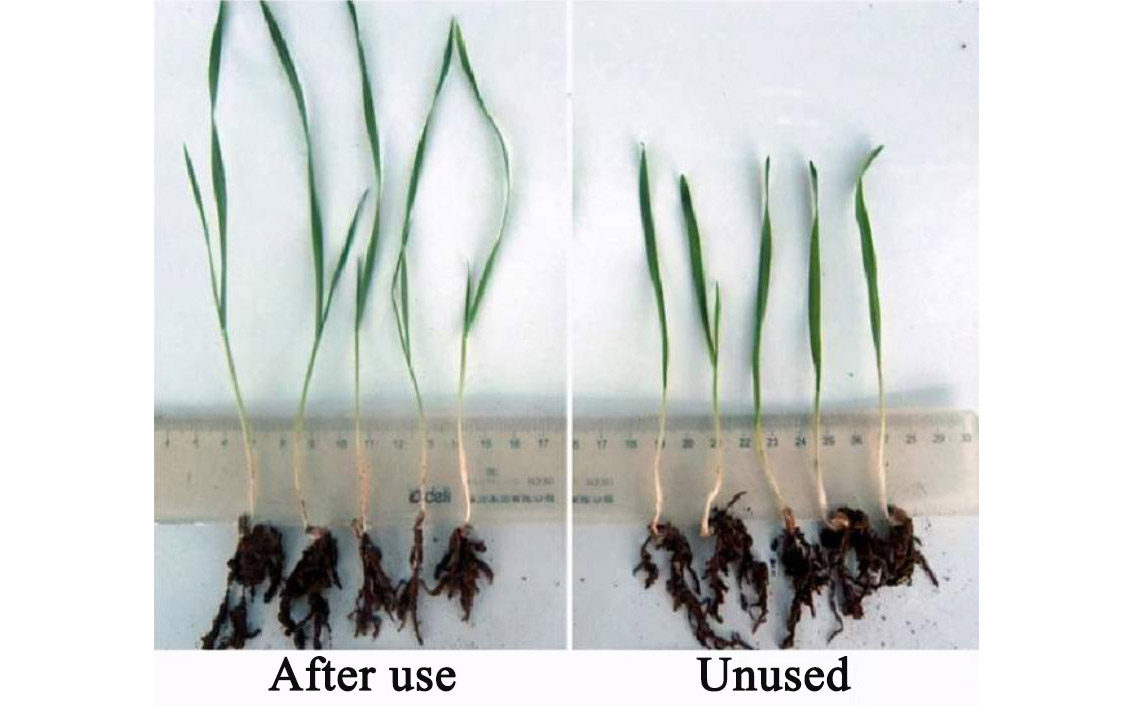
Enramycin can enhance the stress resistance of crops, improve crop quality, make fruits uniform and bright, increase sweetness, and help with nutrient distribution. It also promotes the transportation of photosynthetic products to fruits or seeds, which is beneficial for increasing crop yield and quality.
Promote root growth and seedling development:
Used for seed treatment or spraying during the seedling stage, it has a significant promoting effect on the growth of root systems of crops such as grains, vegetables, fruits, and tobacco. The fresh weight of the root system is increased by 20% to 50% compared to the control, and the dry weight is increased by 15% to 107%. This results in deep roots and lush leaves, with vigorous seedlings.
Promote flower bud differentiation and increase fruit setting rate:
Enramycin can increase the germination rate of pollen, promote the elongation of pollen tubes, facilitate fertilization in plants, thereby increasing the rate of fruiting and fruit setting. In particular, it can also improve the weak parts of plants, thereby increasing the fruiting rate at the top. During the maturity stage of crops, the number and weight of grains increase, and for fruit crops, the fruits become uniform, improving crop quality.
Promote growth and enhance stress resistance:
Enramycin has the dual functions of promoting cell division and cell elongation, and can increase the content of chlorophyll in leaves, enhance photosynthesis, increase the accumulation of photosynthetic products. After entering the plant, brassinolide not only strengthens photosynthesis and promotes growth and development, but also protects the membrane system of plant cells, stimulating the activity of certain protective enzymes in the plant, which can significantly reduce the damage to normal functions caused by harmful substances (such as malondialdehyde) produced by the plant under adverse conditions. Therefore, it has a significant promoting effect on the nutritional growth of plants and can increase crop yield.
Relieve pesticide damage and frost damage:
When using herbicides, misusing fungicides or insecticides, or using inappropriate concentration ratios, pesticide damage may occur. Timely use of Enramycin combined with high-quality foliar fertilizers can regulate nutrient transportation, supplement nutrients, and alleviate damage to crops caused by improper use of pesticides. Because of its excellent regulatory ability, brassinolide can quickly help crops recover growth. It also has a significant effect on improving the cold resistance of crops.
The usage method of Enramycin
Enramycin is a new type of green plant growth regulator, often used to promote the growth of various vegetable and aquatic crops. As Enramycin is a product of plant hormones, its normal usage dosage is safe and effective, attracting many farmers to use it. Natural Enramycin can enhance the plant’s immune ability, reduce pathogen infection, and increase the plant’s disease resistance. (The reference dosage of 0.1% Enramycin mother drug is 8-30‰, that is, add 8-30 kilograms of it per ton of fungicide, and the recommended field application concentration is 0.01 ppm) Natural Enramycin can be used in combination with most insecticides, not only expanding the drug spectrum, but also increasing the drug efficacy, preventing pesticide damage during use, and promoting the injured plants to recover growth quickly under the regulation of natural Enramycin. (The reference dosage of 0.1% brassinolide mother drug is 1-5‰, that is, add 1-5 kilograms of it per ton of fungicide, and the recommended field application concentration is 0.01 ppm.)
Post time: Mar-17-2026