


Naphthylacetic acid, as a commonly used plant growth regulator, belongs to auxin analogues and is widely applied in agriculture and horticulture. It mainly regulates growth and development by mimicking the effects of plant endogenous auxins.
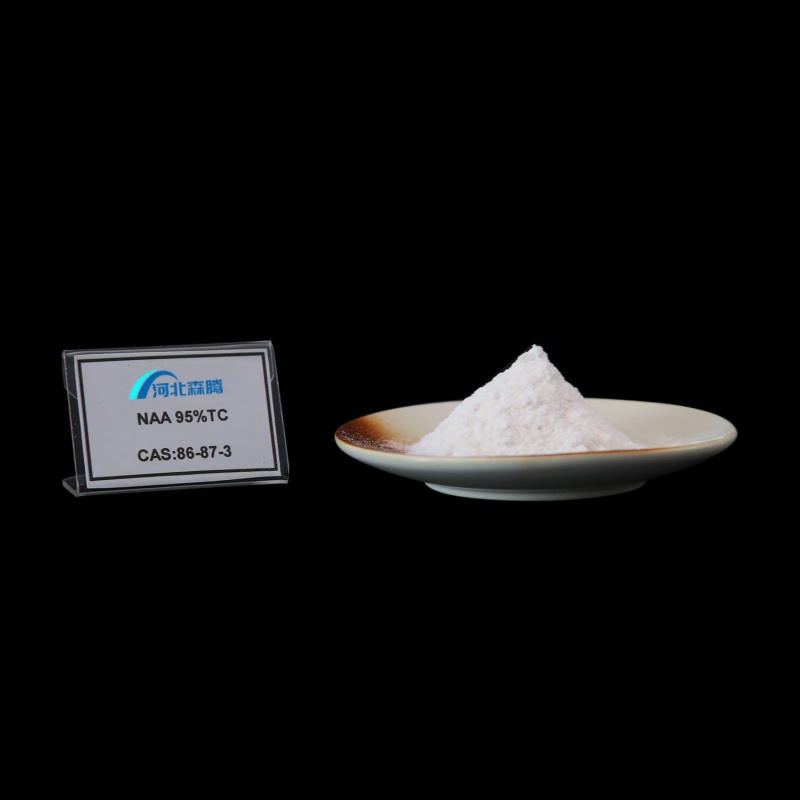
The following is a detailed explanation about the introduction, characteristics, functions, application methods, precautions and summary of naphthaleneacetic acid:
1. Introduction to Naphthaleneacetic Acid (NAA):
Naphthaleneacetic acid (NAA) is a synthetic plant growth regulator, belonging to the naphthalene class of compounds. It is a colorless crystalline solid that is soluble in water and organic solvents. NAA has extensive applications in the field of plant growth regulation, particularly in the growth and development of fruits, vegetables, and flowers.
2. Characteristics of Naphthaleneacetic Acid:
- Naphthaleneacetic acid is a highly effective plant growth regulator, with the ability to promote plant growth and development.
- Naphthaleneacetic acid can be absorbed and transported through plant tissues such as roots, stems, and leaves, exerting regulatory effects on plant growth and development.
- The mechanism of action of NAA is to regulate the synthesis and metabolism of plant hormones to influence the growth and development process of plants.

3. Effects of Naphthaleneacetic Acid:
- Promote root development: NAA can promote root growth and development, increase the number of branches and root hairs, thereby enhancing the plant’s ability to absorb water and nutrients.
- Promote fruit enlargement: In the growth process of fruits and vegetables, NAA can promote fruit enlargement, increase fruit yield and quality.
- Promote flower bud differentiation: NAA can promote flower bud differentiation and flowering process, improving the ornamental value of flowers.
- Increase fruit uniformity: NAA can regulate the development speed of fruits, making fruits mature uniformly and increasing the commercial value of fruits.
4. Application methods of naphthalene acetic acid:
The following are its main application scenarios and precautions.
I. Promoting rooting of cuttings
Application scenarios: Used for cuttings propagation of plants such as fruit trees, flowers, and trees, such as grapes, roses, and poplar trees.
Mechanism of action: Induces cell division at the base of the cutting, promotes the differentiation of adventitious roots and root growth, and increases the survival rate of cuttings.
Usage method:
Low concentration soaking method: Soak the base of the cuttings in a 50-200 mg/L solution for 12-24 hours.
High concentration quick-dip method: Dip the base of the cuttings in a 1000-2000 mg/L solution for 5-10 seconds.
Note: Different plants have different sensitivity to concentrations. It is necessary to conduct concentration tests first to avoid high concentrations inhibiting root formation.
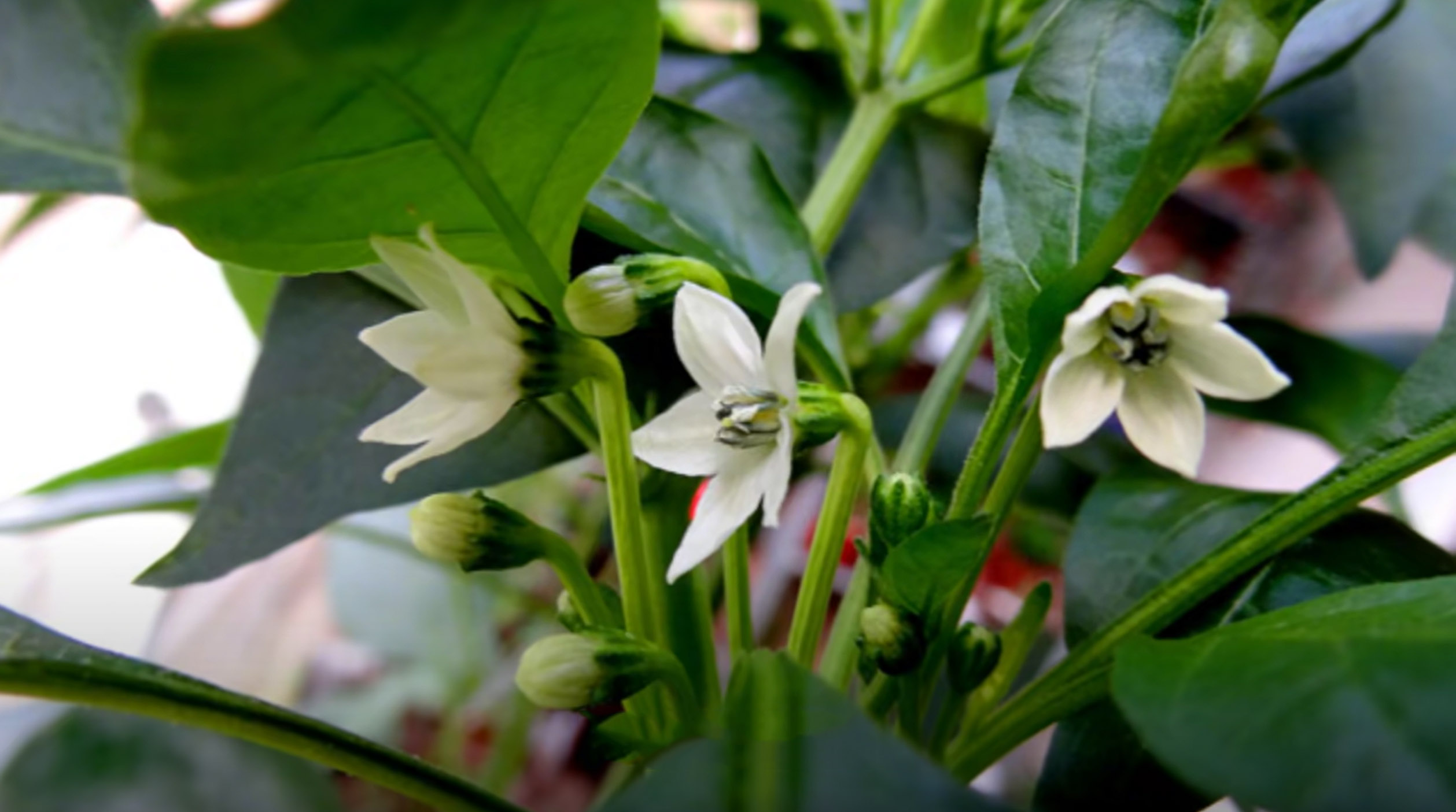
II. Preventing fruit drop
Application scenarios: Flowering or fruiting stages of crops such as tomatoes, cucumbers, apples, and citrus fruits.
Mechanism of action: Enhance the adhesion force of cells at the flower stalk and fruit stalk, inhibit the synthesis of abscisic acid, and reduce physiological fruit drop.
Usage method: Spray a 10-30 mg/L naphthylacetic acid solution during the flowering or fruiting stage, with a focus on spraying the flower clusters or young fruits.
Example: Spraying 20-30 mg/L on tomato flowering stages can reduce fruit drop and increase fruit setting rate.
1-1 mg/L naphthalene acetic acid to the culture medium, and combine with other hormones to regulate the growth direction.III.Mechanism of action: High concentration of naphthalene acetic acid can promote the formation of abscission layers, causing excessive flowers or young fruits to fall off, thereby balancing the tree’s vigor.
Usage method: Spray a 30-50 mg/L solution during the flowering period or 1-2 weeks after flowering. The specific concentration should be adjusted according to the tree’s vigor.
Note: Pruning flowers and fruits should strictly control the timing and concentration to avoid excessive removal leading to reduced yield.
IV. Promoting Fruit Development and Isolated Fruiting
Application scenarios: Inducing seedless fruits (such as seedless grapes, cucumbers), or promoting fruit enlargement.
Mechanism of action: Stimulate the development of the ovary wall, allowing fruits to form without fertilization (isolated fruiting), or promoting the transportation of nutrients to the fruits.
Usage method: Spray a 10-20 mg/L solution during the flowering period or the fruiting stage. For example, spraying after grape flowering can promote fruit enlargement.
V. Promoting Root and Tuber Formation
Application scenarios: Underground organ expansion-type crops such as potatoes, sweet potatoes, and radishes.
Mechanism of action: Adjust nutrient distribution, inhibit the vigorous growth of the aboveground part, and promote the transportation of photosynthetic products to the roots and tubers.
Usage method: Spray a 10-20 mg/L solution during the early stage of root and tuber formation. Spray again 10-15 days later.
VI. Inhibiting Apical Dominance and Dwarfing Plants
Application scenarios: Flowers (such as chrysanthemums, petunias), bonsai, or controlling excessive growth of crops.
Mechanism of action: Inhibit the synthesis or transportation of auxin in the stem tip, promoting the emergence of lateral buds, and making the plant shorter and more compact.
Usage method: Spray a 50-100 mg/L solution during the seedling stage or the growth stage, reducing apical dominance and increasing branching.
VII. Extending Storage Period (Inhibiting Germination)
Application scenarios: Storage preservation of bulbous and tuberous crops such as potatoes, onions, and garlic.
Mechanism of action: High concentration of naphthalene acetic acid inhibits the germination of buds, extending the dormancy period.
Usage method: Spray a 250-500 mg/L solution on the plant leaves 2-3 weeks before harvest, or soak the tubers before storage.
VIII. Tissue Culture and Plant Breeding
Application scenarios: Inducing the differentiation of callus tissue and promoting root formation in plant tissue culture.
Mechanism of action: Used in combination with cytokinins (such as 6-BA), regulating the differentiation of callus tissue into roots or buds.
Usage method: Add 0.1-1 mg/L naphthalene acetic acid to the culture medium, and combine with other hormones to regulate the growth direction.
5. Precautions for Naphthalene Acetic Acid:
- Dosage Control: When using Naphthalene Acetic Acid, it is important to control the dosage to avoid excessive use which may cause abnormal plant growth or negative effects.
- Application Timing: The timing of using Naphthalene Acetic Acid should be determined based on different plants and application purposes. Select the appropriate growth stage for fertilization to achieve the best results.
- Storage and Safety: Naphthalene Acetic Acid should be stored in a dry, cool place, away from fire sources and children. During use, pay attention to safety and avoid contact with skin and eyes.
6. Summary of Naphthalene Acetic Acid:
Naphthalene Acetic Acid is an important plant growth regulator that can promote plant growth and development, especially in root development, fruit enlargement, flower bud differentiation, and fruit uniformity. When using Naphthalene Acetic Acid, pay attention to precautions such as dosage control, selection of application timing, and storage safety. By using Naphthalene Acetic Acid reasonably, the yield and quality of plants can be improved, and the sustainable development of agriculture can be promoted.
Post time: Sep-09-2026
