


Calcium cyanamide is a versatile compound that is widely used in agriculture, industry, and environmental protection. This article will provide a detailed explanation of the three core functions of calcium cyanamide: as an efficient fertilizer to improve soil quality, as an industrial raw material to participate in chemical reactions, and as an environmental protection material to handle waste.
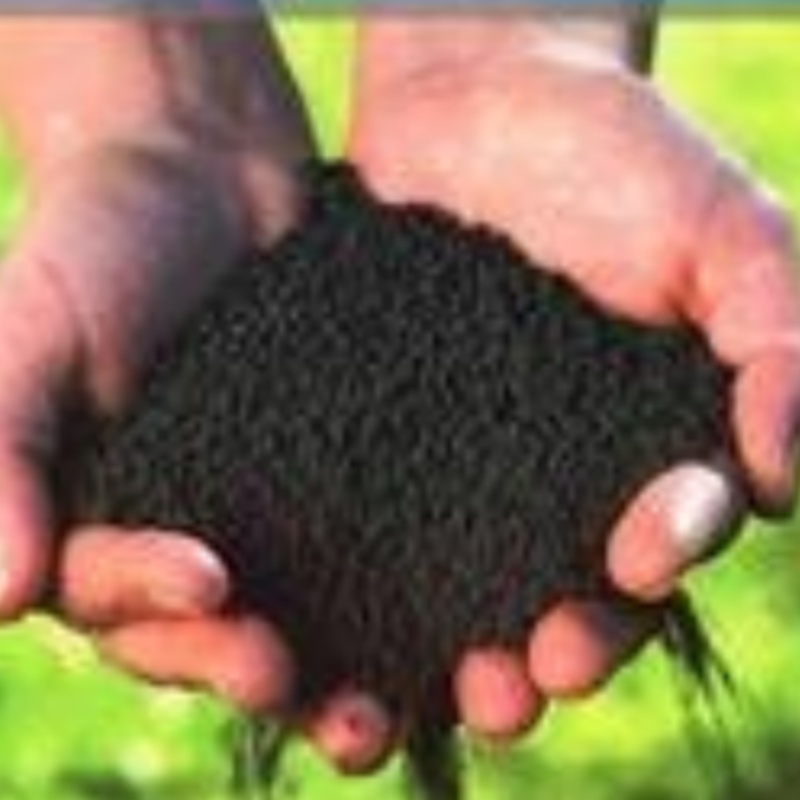
I. Versatile Expert in Agriculture
Calcium cyanamide can be regarded as a soil improvement expert in agriculture. It can perform three important tasks simultaneously:
1. Slow-release of nitrogen fertilizer: Decomposes upon contact with water and gradually releases nitrogen, with a fertilizer effect lasting for 2-3 months.
2. Soil disinfection: The cyanamide produced can inhibit fungi and nematodes, reducing soil-borne diseases.
3. pH regulation: Calcium ions neutralize acidic soil, especially suitable for farmlands with a pH value lower than 5.5.
II. The Chemical Magician in Industrial Production
In the field of chemical engineering, calcium cyanamide demonstrates unique value:
· An important raw material for synthesizing cyanides, used for extracting precious metals
· An intermediate for manufacturing dicyandiamide, which is a key component in pharmaceuticals and pesticides
· Used in steel mills as a desulfurizing agent, effectively reducing the sulfur content in molten steel
· Used in the rubber industry as a vulcanization accelerator, enhancing the elasticity of products
III. The Invisible Guardians of Environmental Protection
In recent years, new applications of calcium cyanamide in environmental protection have been discovered:
1. Waste disposal: It can inhibit the generation of methane in landfill sites, reducing greenhouse gas emissions.
2. Water purification: It can precipitate heavy metal ions and has a good effect in treating electroplating wastewater.
3. Odor control: When mixed with livestock manure, it can reduce ammonia concentration by more than 70%.
IV. The Optimal Ratio for Soil Disinfection
Calcium cyanamide demonstrates unique value in soil pretreatment. A dosage of 50 kilograms per acre can effectively inhibit soil-borne diseases without causing harm to the plants. It is recommended to evenly spread it 20 days before sowing and then till the soil. The best results are achieved when the soil moisture is maintained at 60%. Avoid strong sunlight during application and wait 7-10 days after treatment before sowing. This ensures a safe interval and allows the decomposition products to fully exert their bactericidal effect.
V. Dual Protection through Fertilization and Prevention
When using nitrogen-containing fertilizers, it is necessary to wear an N95 mask and rubber gloves during operation. For field application, mechanical sowing is recommended. When applying by hand, one should stand in the upwind direction and maintain a working distance of more than 3 meters. Immediately after application, irrigate with 5-10 millimeters of water to accelerate the conversion of the active ingredients and reduce dust dispersion. In case of rainy weather, operations should be postponed to prevent the active ingredients from being lost due to surface runoff.
VI. The Intelligent Combination of Compatibility Restrictions
When used in combination with organic fertilizer, it should be pre-mixed at a ratio of 1:3 and left to decompose for 15 days. Direct mixing with ammonium nitrogen fertilizers is prohibited; the interval between the two should be no less than 10 days. When mixed with phosphate fertilizer, it can increase the utilization rate, but the total salt concentration should not exceed 0.3%. When used on fruit trees, it should be applied in a ring-shaped trench 50 centimeters away from the main trunk, avoiding direct contact with the root system.
Post time: Aug-17-2026
