


According to Anadolu Agency, a study published on September 2 in the journal Frontiers in Public Health found that approximately 46% of the world’s agricultural population suffers from pesticide poisoning annually.
The researchers derived this figure based on data from approximately 934 million agricultural and working-age people worldwide. The highest number of non-fatal cases is estimated to occur in South Asia, followed by Southeast Asia and East Africa.
This study updated previous systematic reviews by analyzing the scientific literature published between 2006 and 2023 and supplementing the findings with data from the World Health Organization mortality database.
It covers 139 countries, 62 of which are mentioned in 214 scientific articles, and another 77 countries are covered by WHO mortality data.
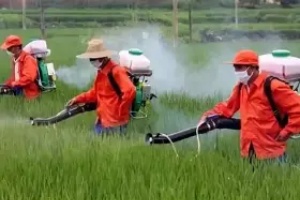
The reviewed literature directly documented approximately 369,600 cases annually, including over 9,100 deaths. The researchers then combined national data with regional population data to obtain a global estimate.
The authors say the findings suggest that despite international efforts over the past two decades to reduce the harmful effects of pesticide use, acute pesticide poisoning remains a serious global health problem.
Global pesticide consumption increased from approximately 1.8 million tonnes in 1990 to 3.8 million tonnes in 2023. During this period, use increased by 210% in the Americas, by 185% in Africa, and decreased by 5% in Europe.
Researchers warn that the problem of non-fatal poisonings, particularly among farmers and agricultural workers, has received insufficient attention because international monitoring and policy measures tend to focus on fatal cases and intentional suicides involving poisoning.

They also said official figures may significantly underestimate the severity of the problem because many victims did not seek medical care due to economic hardship, a lack of health facilities, fear of losing their jobs, or inadequate reporting systems.
At the same time, the authors acknowledge that survey results conducted in high-risk agricultural areas or conclusions based on non-specific symptoms may lead to inflated estimates.
The study also notes that significant limitations include inconsistent definitions, limited national data, small sample sizes, and the lack of standardized reporting systems. Some countries have reported only one case of the disease.
The researchers call for the development of standardized monitoring and reporting procedures and the strengthening of national monitoring systems.
They also called on governments to implement international guidelines to phase out the use of high-risk pesticides whose risks cannot be adequately controlled, saying such action could significantly reduce the global burden of poisoning.
Post time: Sep-08-2026
