


With the development of large-scale livestock farming in rural areas, disease prevention has become particularly important, especially during the hot and humid summer when flies and mosquitoes multiply in large numbers, accelerating the spread of animal diseases and becoming a major potential hazard for the outbreak of diseases. This has brought many adverse effects to the production of the livestock industry. How to scientifically and effectively prevent flies and eliminate mosquitoes has become an urgent practical problem that rural large-scale livestock farms need to solve.
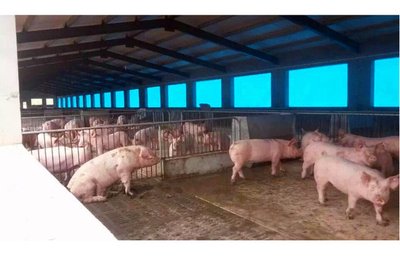
Due to the hot weather in summer, the animals’ appetite is affected, their sensitivity to the outside world increases. During the day, they are disturbed by flies, and at night, they are bitten by mosquitoes. As a result, they cannot get sufficient rest. Moreover, due to the bites of flies and mosquitoes, the nutrients in the animals’ bodies are taken away, which seriously affects their growth rate and the body’s disease resistance.
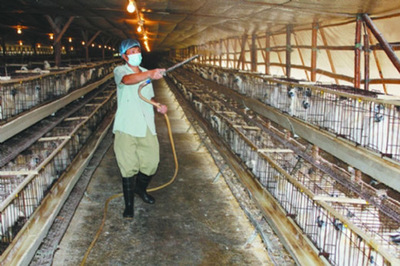
It is known that mosquitoes and flies can carry over 60 types of bacteria, viruses and parasites. Among them, more than 50 types of pathogens are transmitted and carried by flies. Important diseases affecting livestock and poultry breeding include: foot-and-mouth disease, pseudorabies, swine fever, avian influenza, Newcastle disease, avian Pasteurella multocida, avian Escherichia coli, coccidiosis, etc. During disease outbreaks, they can accelerate the spread of epidemic diseases and increase the difficulty of disease prevention and control. Additionally, in the sow farrowing pens, mosquitoes and flies can cause severe mastitis in sows and also spread Streptococcus and cause Streptococcus meningitis in piglets. Research has also shown that mosquitoes and flies are mechanical vectors for swine fever, anaplasmosis and infectious gastroenteritis.
Environmental control is the most fundamental method for controlling mosquitoes and flies. This includes eliminating breeding sources, conducting biological fermentation on livestock manure and other contaminants to maintain good hygiene conditions, making it unfavorable for the survival of mosquito eggs, larvae and adults, or preventing them from attracting female flies to lay eggs. Creating an appropriate environment for livestock farms is the first essential factor in raising healthy animals. When building large-scale livestock sheds, not only is it required to be able to prevent rain and moisture, and ensure warmth in winter and coolness in summer, but special consideration should also be given to having pest and disease prevention functions. Therefore, when constructing livestock sheds, choose a site with high and dry terrain, facing south, with flat ground and a slight slope. The layout of the livestock shed should be reasonable, fully consider the treatment and utilization of manure, urine and sewage, and ensure good ventilation inside the shed, which is conducive to drainage and sewage discharge.
Maintain the cleanliness and hygiene of the breeding facilities and their surrounding environment, eliminate the breeding grounds for mosquitoes and flies, promptly remove the feces and urine in the breeding facilities, frequently clean the feeding troughs and water tanks, fill in the water puddles and depressions, use underground drainage channels for water discharge, store manure away from residential areas and breeding facilities, and regularly use chemical drugs for disinfection to kill adult flies and fly larvae. After flushing the breeding facilities, sweep away the water, enhance ventilation to quickly dry the floor of the facilities.
In large-scale livestock farms in rural areas, due to their remote locations, it is difficult to comprehensively manage the surrounding natural environment. Therefore, measures such as clearing the weeds around the livestock sheds, closing the doors and windows of the sheds with plastic mesh, and preventing flies and mosquitoes from entering the sheds can be taken. During the day, automatic fly traps can be used to eliminate flies, and at night, mosquito-killing devices produced by Guangzhou Jiaobao Technology Electrical Appliance Factory can be used to eliminate mosquitoes.
For the walls and roofs more than 1 meter above the indoor area, those with strong water absorption should use higher concentrations of the drug, and multiple applications should be made. For surfaces with poor water absorption, higher concentration but lower dosage drugs should be used. The drugs can be 48% chlorpyrifos, diluted 150 times to 200 times, or Kainuo diluted 200 times to 300 times. For space spraying, 5% insecticide suspension, 6% Kill-Duoxi insecticidal oil, 5% Wei Hui Jing suspension, etc. can be used. For the outside of the pig farm, highly effective pesticides should be sprayed on the walls of the enclosures, manure pits, sewage ditches, ponds, and places where debris is piled up, so that there are no breeding grounds for mosquitoes, maggots and flies. When using chemical methods to control mosquitoes and flies, non-toxic or low-toxic drugs should be selected to ensure that they can effectively kill mosquitoes and flies while ensuring the normal growth and development of pigs. At the same time, it should be noted that due to mosquitoes and flies, especially flies, their offspring develop resistance to certain chemical agents very quickly. Using a single agent for control will gradually reduce the effect and make the control of mosquitoes and flies increasingly difficult. Therefore, multiple different types of drug preparations should be selected for rotation use to ensure the control effect. Finally, drugs or additives for killing flies and maggots should be added to the feed for the entire herd, which can achieve the purpose of expelling and killing parasites on the bodies of pigs at all stages, making the pig skin clean and shiny, and improving the growth rate; the pig excrement can also exert a medicinal effect to kill the maggot pupae in the sewage ditch, thereby achieving a good effect of controlling flies.
Post time: May-08-2026
