


On January 8, 2026, the Ministry of Finance and the State Taxation Administration jointly issued a notice, clearly stating that starting from April 1, 2026, the export tax rebates for certain pesticide products will be cancelled. The categories include:
Main types of pesticide raw materials include herbicides (such as glufosinate, metribuzin, diethion, dicamba), insecticides (such as diazinon, carbaryl, flubendiamide), fungicides (such as methidathion, carbendazim, aluminium triphosphonate, etofenphos), and plant growth regulators (Ethephon).
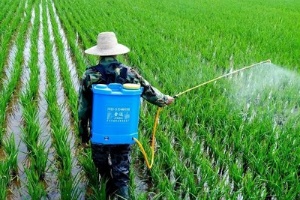
The cancellation of export tax rebates for some pesticide raw materials will have a short-term positive effect on product price increases and a long-term beneficial impact on the elimination of backward production capacity: Previously, China implemented export tax rebate policies for most pesticide raw materials to encourage their export. The rebate rate was generally between 9% and 13%. In early 2026, the export tax rebate policy was adjusted, and the export rebate rate for some pesticide raw materials was set to zero. In the short term, the window period before the policy implementation may trigger a rush for exports. Overseas customers, considering the rising cost pressure after the policy takes effect, may accelerate replenishment, supporting the price increase of products. In the long term, the profit margins of low-end products will be further compressed, and the cost pressure will force enterprises to shift from price competition to quality competition. Backward production capacity with high pollution and high energy consumption is expected to accelerate its exit from the market.
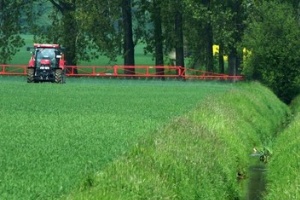
Maintain the export tax rebate benefits for pesticide formulation products, and guide enterprises to export high-value-added formulation products: This policy aims to optimize the export structure of pesticide products and encourage enterprises to accelerate technological innovation and product upgrading. Enterprises can shift their export focus from exporting raw materials to exporting high-value-added branded formulations, seizing the initiative in the fierce competition within the pesticide industry. Leading enterprises in the industry that have completed vertical integration of the industrial chain and possess strong formulation production and overseas registration capabilities have significant advantages.
The prosperity of China’s pesticide industry has bottomed out and is recovering. Overseas pesticide formulation enterprises are in a replenishment cycle, and coupled with the imminent start of spring farming in China, demand is expected to be supported:
1) The prosperity of pesticides has continued to recover: According to the World Agrochemical Network, the production capacity utilization rate of most agricultural chemicals in China is relatively low. The production capacity of pesticides such as insecticides, fungicides, herbicides, and plant growth regulators is severely excessive, with the capacity utilization rate being only 30% – 60%. In July 2025, the industry launched an “anti-crowding” campaign, and leading enterprises avoided vicious price wars through capacity regulation and pushed product prices back to a reasonable range, marking the end of China’s three-year downward cycle in the pesticide industry.
2) Overseas is in a replenishment cycle: Global pesticide channel inventories are approaching a reasonable level, and the demand for replenishment continues at low inventory levels.
3) The demand for pesticide products has a strong seasonal nature. Spring farming in China supports pesticide demand: The production of pesticides in China is from February to May, and formulation enterprises need to purchase raw materials in advance, so the raw material market has a peak season earlier than the formulation market.
Post time: Apr-08-2026
