



Clothiandin


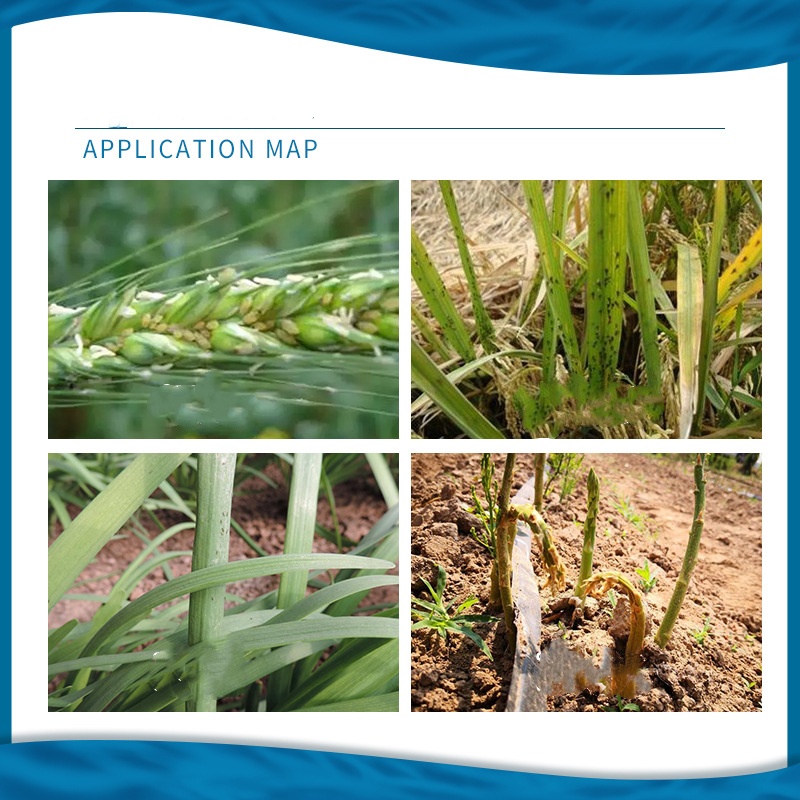
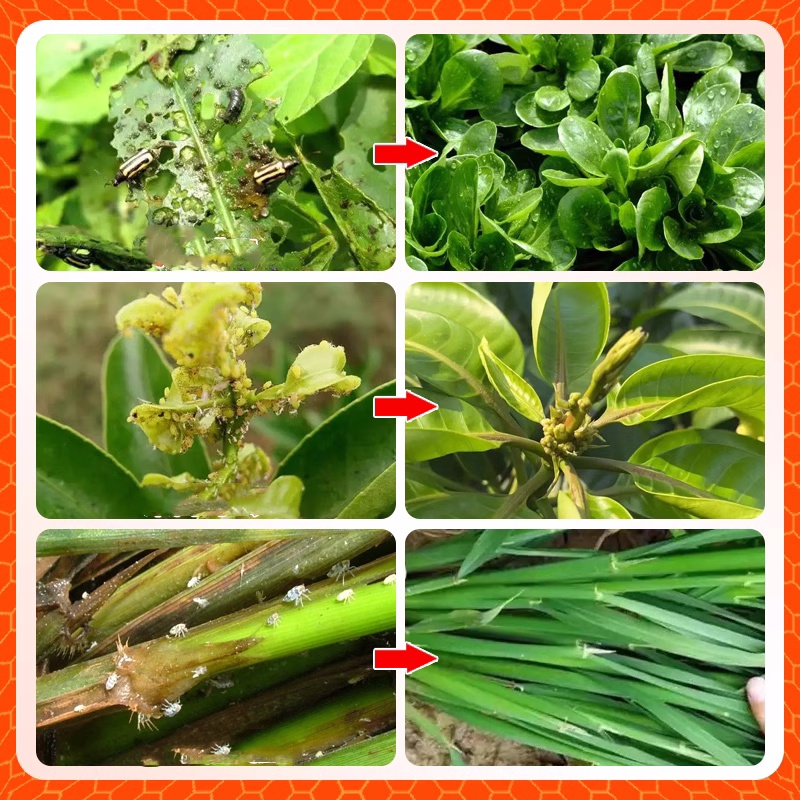
This is mainly a type of pesticide used for controlling pests such as aphids, leafhoppers, thrips, and certain species of flies (belonging to orders Hymenoptera, Coleoptera, Diptera, and Lepidoptera) on rice, vegetables, fruit trees and other crops. It has the advantages of high efficiency, broad spectrum, low dosage, low toxicity, long-lasting efficacy, no harm to crops, safe use, and no cross-resistance with conventional pesticides. It has excellent translocation and penetration properties, and is another variety that can replace highly toxic organophosphorus pesticides. Its structure is novel and unique, and its performance is superior to traditional nicotine-based pesticides. It has the potential to become a global major pesticide variety.
Application
Clothiandin is widely used for pest control in rice, fruit trees, vegetables, tea, cotton and other crops due to its flexible application. It mainly targets homoptera pests, such as thrips, hemiptera and certain lepidoptera pests. Compared with other similar insecticides, it has better systemic and penetrating properties.
Bees are highly sensitive to this substance and are extremely toxic when ingested; it also poses a very high risk to silkworms. During use, it is important to note that this product should not be used during the flowering period of nectar-producing plants, and close monitoring of the impact on nearby bee colonies should be conducted during the application period. It is prohibited to clean the application equipment in rivers, ponds, etc.; and it is forbidden to use this product near silkworm houses and mulberry plantations. This product can be used a maximum of 3 times per season, with a safe interval of 7 days.
Attention
1. Clothiandin insecticide should not be mixed with alkaline pesticides or substances such as Bordeaux mixture or sulfuric acid and lime solution, as this may lead to adverse reactions or reduce the efficacy of the pesticide.
2. Clothiandin insecticide should not be mixed with alkaline pesticides or substances such as Bordeaux mixture or sulfuric acid and lime solution, as this may lead to adverse reactions or reduce the efficacy of the pesticide.
3. Clothiandin insecticide is susceptible to temperature changes, so its effectiveness may not be satisfactory when used in winter or under low-temperature conditions. Thiamethoxam insecticide is susceptible to temperature changes, so its effectiveness may not be satisfactory when used in winter or under low-temperature conditions. Generally speaking, better results are achieved when the ground temperature is above 20℃.
4. Clothiandin insecticide has high toxicity to bees and silkworms. Thiamethoxam insecticide is highly toxic to bees and silkworms. When using it, it should be avoided to be applied near bee colonies or on mulberry trees to prevent harm to beneficial organisms such as bees.
5. When using it, it is necessary to avoid applying it near bee colonies or on mulberry trees to prevent harm to beneficial organisms such as bees.
6. When using the Clothiandin insecticide, wear protective clothing and gloves to ensure safety. When using the Clothiandin insecticide, wear protective clothing and gloves to ensure safety. Avoid direct contact with skin and eyes. Avoid direct contact with skin and eyes. After use, wash hands and face promptly and properly store the remaining pesticide to prevent it from being mixed with food, feed, etc.
After use, wash hands and face promptly and properly store the remaining pesticide to prevent it from being mixed with food, feed, etc.5.
7. For fields and crops that have been treated with the insecticide Clothiandin, one should avoid picking and consuming them for a certain period of time to prevent the residual pesticides from adversely affecting human health. For fields and crops that have been treated with the insecticide thiamethoxam, one should avoid picking and consuming them for a certain period of time to prevent the residual pesticides from adversely affecting human health.
-
Clothiandin
-
CAS 51-03-6 Piperonyl Butoxide Pbo
-
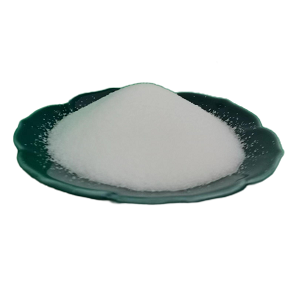
Ciprofloxacin Hydrochloride 99%TC
-
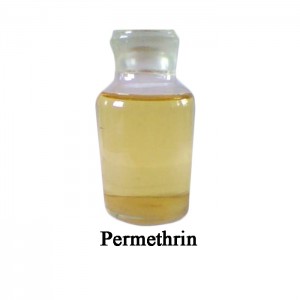
High Purity CAS 52645-53-1 Insecticide Permethrin
-
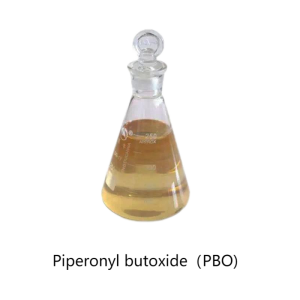
Pesticide Synergist Pbo 95%Tc, Pbo Piperonyl Bu...
-
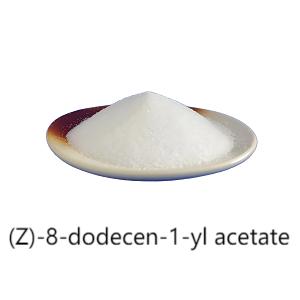
(Z)-8-dodecen-1-yl acetate, CAS 28079-04-1 Inse...
-
100% Original Factory Veterinary Pest Control I...
-

2,3,5,6-TETRAFLUOROBENZYL ALCOHOL 95%TC
-

2,3,5,6-TETRAFLUOROBENZYL ALCOHOL 95%TC from china