


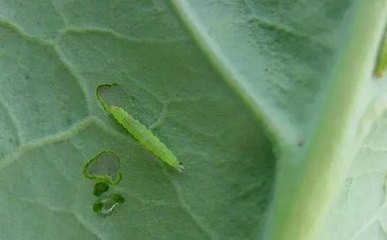
Avermectin has both stomachic and contactic effects on mites and insects, but it cannot kill eggs. The mechanism of action differs from that of general insecticides. It interferes with the neurophysiological activities and stimulates the release of γ-aminobutyric acid, which has an inhibitory effect on the nerve conduction of arthropods. After contact with avermectin, adult mites, nymphs and insect larvae show paralysis symptoms, become inactive and stop feeding. They die after 2 to 4 days. Because it does not cause rapid dehydration in insects, the lethal effect of avermectin is relatively slow. Although avermectin has a direct contactic effect on predatory insects and parasitic natural enemies, due to the low residue on plant surfaces, it causes little damage to beneficial insects.
Avermectin is generally used to control lepidopteran and homopteran pests on vegetables, fruit trees, flowers, tobacco, cotton, and cereal crops, such as small whitefly, sugar beet night moth, striped night moth, aphids, red spider mites, scale insects, thrips, and rice bollworm, etc.
Precautions for the use of avermectin:
Avermectin cannot be mixed with alkaline pesticides;
It is highly toxic to fish and should avoid polluting water sources and ponds, etc.;
It is toxic to bees and should not be applied during the flowering period;
It is highly toxic to silkworms, and there is still a significant toxic effect on silkworms 40 days after spraying on mulberry leaves;
# Common Combinations of Avermectin
Avermectin + Lambda Cyhalothrin
When avermectin and Lambda Cyhalothrin are combined, they have strong contact, stomach, and penetration effects, and the efficacy is rapid. They are mainly used for cruciferous vegetables (such as cabbage, kale, mustard, etc.), citrus fruits, and other crops. They are used to control lepidopteran pests such as cabbage caterpillars, small whiteflies, and leaf miners. When used on citrus fruits, spraying usually begins during the juvenile shoot growth period of the citrus.
Avermectin + Bifenthrin
When the two are combined, they can cause insects to become overly excited and eventually die from paralysis. They are mainly used for cruciferous vegetables (such as cabbage, kale, mustard, etc.) and crops like cowpeas, melons, eggplants, etc., for the prevention and control of lepidopteran pests and diptera pests, such as small whitefly, cabbage caterpillar, American spot-winged fly, etc.
Avermectin + Bacillus thuringiensis
When the two are combined, they show significant efficacy in controlling pests that have developed resistance to avermectin. They can be used on cruciferous vegetables (such as cabbage, kale, mustard, etc.), rice and other crops, for the prevention and control of lepidopteran pests, such as pine caterpillars, small cabbage moths, cabbage caterpillars, sugar beet night moths, and rice stem borer.
Avermectin + Imidacloprid
Avermectin combined with Imidacloprid shows significant synergistic effects. It has contact, stomachic and systemic effects. It is used on cruciferous vegetables (such as cabbage, kale, mustard, etc.), pear trees, wheat, rice and other crops to control lepidopteran pests and piercing-sucking pests, such as pear psylla, aphids, small cabbage moth, cabbage caterpillar, rice planthopper, etc.
Avermectin + Dinotefuran
It has contact, stomachic and systemic effects, and also has certain fumigating effects. It is mainly used for apple trees, cruciferous vegetables (such as cabbage, kale, mustard, etc.) and other crops, and has a very good control effect on resistant aphids and other piercing-sucking mouthpart pests.
Avermectin + Cypermethrin
It has both contact and stomachicidal effects. It is mainly used to control red spider mites on citrus plants. It can also be used to control mites on various crops such as cotton, vegetables, apples, tea, and wheat, including red spider mites and two-spotted leaf mites, etc.
Avermectin + Deltamethrin
When the two are mixed, they exhibit an additive effect and can significantly delay the development of resistance in mites. It is mainly used for crops such as cotton, fruit trees, and vegetables to control mite pests such as white spiders, red spiders, and rust spiders.
Post time: Oct-22-2026
