



I. Promoting Rooting of Cuttings
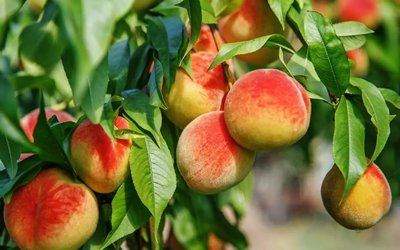
1. Peach: Soak peach cuttings in indolebutyric acid solution for 24 hours, then wash off the solution with tap water and cultivate them in a sand bed with a pH of 7.5 in a cool place to promote rooting. The effect is better than that of naphthylacetic acid. It works better for softwood cuttings than hardwood cuttings. After peach grafting, treating the graft with indolebutyric acid solution for 12 to 14 hours can promote the healing of the graft.
2. Cherry: Soak European sweet cherry cuttings in indolebutyric acid solution for 24 hours at a temperature of 18-21℃, which can effectively induce rooting.
3. Plum, Pear, Apple, etc.: Treating cuttings of pear, plum and apple with indolebutyric acid potassium salt solution can promote rooting to a certain extent. Quick-dipping plum hardwood cuttings in 50% ethanol solution of indolebutyric acid can promote rooting quickly. Dipping pear cuttings in indolebutyric acid powder can also promote rooting.
4. Lemon, Lime: Treating cuttings with indolebutyric acid solution can effectively promote rooting.
5. Grape: Treating grape cuttings with indolebutyric acid solution for 8 hours can promote rooting. Quick-dipping softwood cuttings in concentrated solution for 5 seconds can achieve a rooting rate of 73% to 100%, and can also increase grape yield.

6. Jackfruit: For high branch layering, select branches from 10 to 15-year-old fruit-bearing trees and treat them with a mixture of indolebutyric acid and naphthylacetic acid to promote abundant rooting. The best treatment time is in August.
7. Mango: For high branch layering, shade the branches and treat them with indolebutyric acid solution to achieve 100% rooting of the layering. Layering treated with shading and chemicals produce more primary and secondary roots. Layering of mango treated with indolebutyric acid solution contain more sugar and starch than untreated ones. The same effect is observed for high branch layering of lychee.

8. Hops: Quick-dipping hops cuttings with two nodes in 50% ethanol solution of indolebutyric acid for 1, 5, or 10 seconds can significantly increase the number and dry weight of roots. The duration of treatment has no significant difference in promoting rooting.
9. Pine: Quick-dipping pine cuttings in 95% ethanol solution of indolebutyric acid for 5 seconds or treating them with indolebutyric acid powder (mixed with talcum powder) can significantly increase the rooting rate and number of roots. Immersion treatment is more effective.
10. Asian bamboo pole: Using the common cutting method for propagation is not easy to achieve success. Applying a mixture of indolebutyric acid and naphthaleneacetic acid solution to high branches for layering results in 85% of the layers taking root. Using different concentrations of indolebutyric acid solution alone, 50% and 75% of the layers take root respectively. Using naphthaleneacetic acid alone is ineffective.
11. Kiwi fruit: Soaking the soft cuttings of Chinese kiwi fruit in indolebutyric acid solution or quickly dipping the hard cuttings of kiwi fruit in a concentrated solution for 3 to 5 seconds can increase the rooting rate of the cuttings.
12. Olive tree: Immersing olive tree cuttings in indolebutyric acid for 24 hours can increase the rooting rate by 50 to 80%.
13. Star flower, rhododendron, hanging bellflower, rose, chrysanthemum, etc.: Immersing the cuttings of star flower, rhododendron, hanging bellflower, rose, and chrysanthemum in indolebutyric acid solution for 3 hours, or quickly dipping them in a concentrated indolebutyric acid solution for 20 seconds, can promote the rooting of the cuttings. Using indolebutyric acid solution to treat hanging bellflower has a significant promoting effect on rooting. Using indolebutyric acid solution to immerse rose cuttings or chrysanthemum cuttings can also promote rooting.
14. Platycladus orientalis, Rheum palmatum: Immersing the cuttings in indolebutyric acid solution for 3 hours, or quickly dipping them in a concentrated indolebutyric acid solution for 10 seconds, can promote rooting. Immersing Platycladus orientalis cuttings for 12 hours also has a similar effect.
II. Promoting crop growth and increasing yield
1. Dianthus caryophyllus: Before flowering, spraying the plant with indolebutyric acid aqueous solution can significantly promote the vegetative growth and reproductive growth of the plant, and increase the seed yield. When the indolebutyric acid solution is added to the culture medium of Trichoderma, the alkaloid yield can increase by 0.2 to 6 times. However, at higher concentrations, it has an inhibitory effect on the formation of alkaloids.
2. Strawberry: When in full bloom, treating the plant with indolebutyric acid solution can result in a large number of monoecious fruit developments.

III. Promoting Seed Germination
1. Peanut: Soaking the seeds in a solution for 12 hours before sowing can promote flowering and increase yield.
2. Oleander: Soaking the seeds in water for 12 hours before sowing, and then soaking them in indolebutyric acid solution for another 12 hours, can promote germination. Wet seeds treated at -10℃ for 15 minutes can increase the germination speed and rate.
Post time: Jan-21-2026