



I. Plants
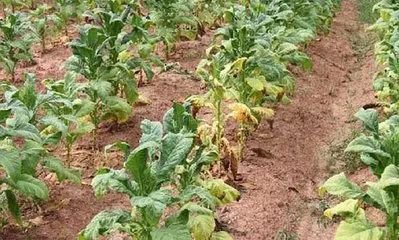
Different plants exhibit varying degrees of resistance and sensitivity to each type of pesticide. Plants have a certain tolerance level to pesticides. Once the concentration or dosage exceeds a certain limit, they will generally suffer varying degrees of damage from the pesticides. The larger the amount of pesticide absorbed by the crops, the greater the possibility of causing damage.
Different cultivation methods alter the temperature, light, water and other conditions that the crops are exposed to, which will inevitably have an impact on the growth of the plants and subsequently affect their sensitivity to pesticides and the manifestation of pesticide damage.
III. Varieties
The differences in genetic background among different varieties of the same crop lead to variations in sensitivity to pesticides.
IV. Storage of Pesticides
During the long-term storage of pesticides, the original active ingredients, isomers of the original active ingredients, and additives may undergo chemical changes and form substances harmful to plants, causing crop damage.
V. Environmental Conditions
1. Temperature: Abnormal temperatures can cause pesticide damage. High temperature: The activity of pesticides and plant metabolism increase, leading to pesticide damage. Low temperature: Although it reduces the activity of pesticides, the crop’s resistance to pesticides also decreases accordingly.
2. Humidity and Water: Excessive humidity and excessive water are among the causes of pesticide damage.
3. Wind: The drift of pesticide droplets causes pesticide damage.
4. Light: Light intensity not only affects the efficacy of certain pesticides but also influences the occurrence and speed of pesticide damage.
5. Soil Conditions: Sandy soil has large particles and low organic matter content, resulting in weak adsorption of pesticides, easy leaching, and rapid spread in the soil, which can cause pesticide damage to some crops treated with soil herbicides.
VI. Human Factors
1. The concentration and frequency of pesticide application exceed the normal range.
2. Using low-quality, contaminated or deteriorated pesticides is an important factor causing pesticide damage.
3. Improper mixing of pesticides is also a factor contributing to pesticide damage.
4. Inorganic pesticides are more prone to cause pesticide damage.
Post time: Jan-15-2026