



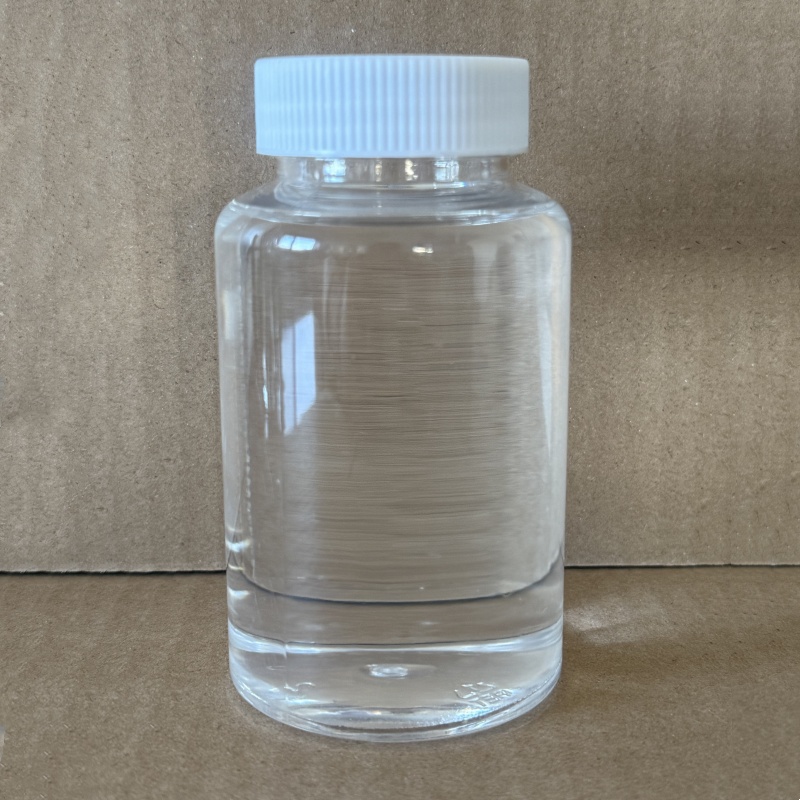
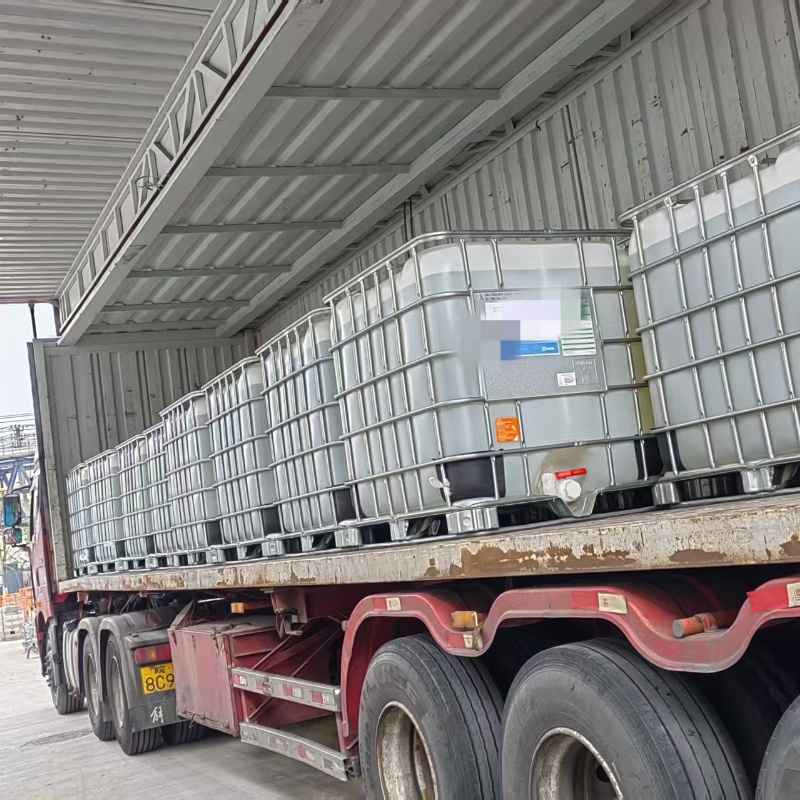
Silicone adjuvant is a nonionic surfactant of polyether-modified trisiloxane. It is a highly efficient and environmentally friendly nonionic surfactant with extremely low surface energy. Due to its excellent wetting, spreading, and penetrating properties, it has good compatibility and can foam, stabilize foam, and suppress foam. It can be added to fungicides, acaricides, thripsicides, spider mite killers, aphidicides, herbicides, foliar fertilizers, etc. In chemical control, it significantly improves utilization rate and application effect, reduces pesticide application by 30% to 50%, effectively reduces pesticide residues, saves water resources, reduces labor intensity, and increases efficiency with reduced pesticide use. If organosilicon, this kind of Silicone adjuvant, is added when foliar fertilizing, it can greatly improve fertilizer utilization and reduce the waste caused by direct application.
I. Excellent Properties of Silicone adjuvant
1. Excellent Wetting Properties
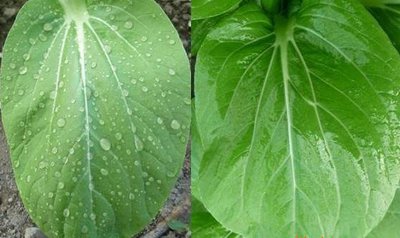
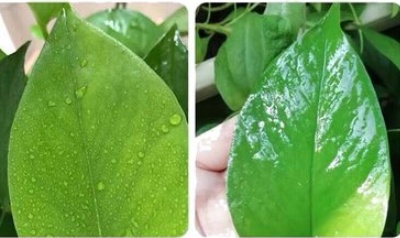
When wetting the leaf surface, one may notice a characteristic that most people have noticed – fertilizers mixed with water tend to stay on the leaf surface for a short period of time and then quickly slide down due to gravity. This is because the leaf surface often has a negative charge, which repels pesticide liquids. Generally speaking, when the surface tension of the spray liquid is lower than that of the leaf surface, the spray liquid will adhere and wet the plant surface. Conversely, the spray liquid will contract and gather on the plant surface, and the droplets sprayed onto the target object will roll down.
However,Silicone adjuvant have extremely low surface tension and can easily wet the leaf surfaces of almost all types of plants and pest exoskeletons, significantly increasing the coverage and contact area of the pesticide on the target organisms, reducing pesticide loss, and improving its utilization efficiency.
2. Super expansibility
Silicone adjuvant has excellent extensibility. This property enables the sprayed pesticide to cover and adhere to the leaf surface to the maximum extent, and even allows the pesticide to penetrate into the leaf back or the hidden areas of pests in the tree crevices, achieving the goal of direct contact with and killing harmful organisms.
3. Excellent permeability
Silicone adjuvant can effectively promote the penetration of pesticide through stomata into the epidermis, and the absorption speed is very fast. Fertilizer experts also add this to the fertilizer based on this principle, driving nutrient substances to be absorbed and utilized by the plant. When added to the diluted fertilizer, it can drive nutrients to pass through the cells of the plant leaf surface and be absorbed rapidly, which is efficient for rainy seasons and local fertilization and does not get affected by light rain weather.
II. Application of Silicone adjuvant in Pesticides
Silicone adjuvant can be used in pesticides as spray modifiers, foliar absorption enhancers, activators, etc., and are applied in herbicides, foliar fertilizers, insecticides or growth regulators.
1. When pesticides are added with Silicone adjuvant, after the pesticide solution is sprayed onto the stems and leaves of weeds, it quickly passes through the cuticle and cell membrane and finally reaches all parts of the plant. After the weeds are damaged, their stems and leaves curl up, become deformed, and eventually die. This can significantly accelerate the killing speed and improve the efficacy, while also greatly reducing water usage and saving labor.

2. Application in Foliar Fertilizers
Foliar fertilizers are a rapid and efficient way to supplement nutrients. However, the impermeability of plant epidermis to inorganic nutrient ions is unfavorable for foliar fertilization. Therefore, gas-permeation fertilization through stomata can be a good approach. Silicone adjuvant can promote plants to absorb through gas-permeation, thereby improving fertilizer utilization.
3. Application in Growth Regulators
Silicone adjuvant can reduce the amount of plant growth regulators used and improve their efficacy. For example, gibberellin is widely used in citrus, but it is prone to antagonism with citrus. Applying agricultural Silicone adjuvant can greatly enhance the efficacy of gibberellin, and the dosage can be reduced to 1/10; adding Silicone adjuvant to Uniconazole can improve its wetting property, enhance its efficacy, and reduce the dosage of Uniconazole and its cost.
4. Application in Insecticides and Acaricides
The stomata of insects and the stomata on the leaf surface are extremely similar. Silicone adjuvant can reduce the surface tension of the solution, allowing the pesticide solution to penetrate into the trachea of insects, causing their death. As an additive and synergist for insecticides, they are of great significance.
III. How to Use on Silicone adjuvant Efficiently
1. Use them on crops that are difficult to wet
For crops with waxy layers such as rice, cabbage, wheat, and ryegrass, as well as weeds like ragwort, purple knotweed, and reed grass that have no leaves but only green ears, using Silicone adjuvant can enhance the efficacy of the pesticide and achieve comprehensive control.
2. Suitable for crops with hidden pests and diseases
For clusters of fruits like grapes, lychees, and longans, or for vegetables like broccoli that have hidden pests or diseases, adding Silicone adjuvant can take advantage of its extremely strong spreading ability to enable the pesticide solution to penetrate deep into the leaf backs or the hiding places of pests and diseases in the crevices of the trees, achieving the effect of eliminating pests or controlling diseases.
3. Suitable for crops in rainy areas
For some rainy areas, using Silicone adjuvant can enable the pesticide solution to wet and spread to the greatest extent, enhance surface permeability, resist rain erosion, and significantly reduce the accidental washing away of expensive pesticides by rain, thereby reducing production costs.
4. Suitable for some pesticides sensitive to ultraviolet rays or for spraying in summer under strong sunlight
For pesticides like methamidophos benzoate and avermectin, which are sensitive to ultraviolet rays, adding Silicone adjuvant can utilize its extremely strong spreading ability and rapid almost instantaneous stomatal absorption to avoid the photolysis of the pesticide solution and the rapid evaporation and drying of the pesticide solution, promoting the absorption of the pesticide solution.
5. Pay attention to proper mixing
The use of some additives has inhibitory effects on organic silicon; pesticide products have many formulations, and the types of additives or processing aids used in the formulations are numerous.
Summary
Agricultural Silicone adjuvant has a very good protective effect on the environment. It can reduce the amount of pesticides used and minimize pollution to the environment. Silicone adjuvant can improve soil structure, enhance the soil’s ability to retain water and nutrients, reduce the use of fertilizers, and lower pollution to the environment. Silicone adjuvant also has excellent biodegradability and will not cause long-term pollution to the environment.
Post time: Jan-07-2026