


The Brazilian agricultural distribution industry is undergoing a profound transformation. Profits are continuously declining, financing costs are constantly rising, the number of farmer default cases is increasing, and the fierce competition from Chinese suppliers is also a factor. The sustainability of the traditional distribution model is facing severe challenges.
Industry experts have pointed out that many distributors have reached a critical threshold – the middleman model that solely relies on purchasing from manufacturers and then reselling to farmers is increasingly difficult to sustain economically. Some believe that the distribution model in Brazil has entered a “risk zone”, and the already meager profit margin has been compressed to the limit.
Over the past few decades, agricultural retailers and distributors have played a crucial role in the Brazilian agrochemical and fertilizer market, not only providing products but also offering farmers credit, technical guidance and logistics services. However, the rapid changes in the market environment are exposing the deep-seated problems within this system.
The profit margin has dropped from 7% to the verge of negative territory.
Based on historical data, the gross profit margin for distributors on most agricultural input products has generally remained at a level of 7% to 8%. However, currently, this figure has significantly declined. Profits ranging from 5%, 3%, 2% down to negative values after including financing costs are becoming the reality faced by an increasing number of distributors.
This situation is closely related to the overall financial difficulties of Brazilian agriculture. The continuous decline in agricultural product prices, the increased debt burden of farmers, and the narrowing of bank credit channels have all exerted pressure along the value chain, gradually affecting various stages. Distributors whose core business is product resale have suffered a direct impact on their profitability.
Shift from product transactions to service value addition
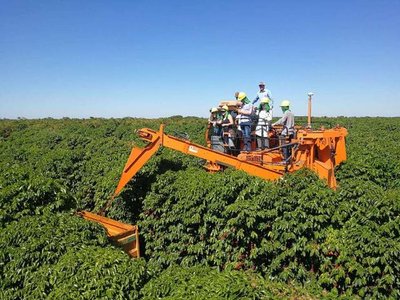
Environmental changes are forcing distributors to reposition their roles. The companies that can survive this round of adjustment are likely to be those that go beyond simple product sales and shift towards providing comprehensive solutions, technical support, and risk management services.
The business model that solely focuses on product distribution is losing its competitiveness. The ability to create value has become increasingly crucial. Currently, some distributors have begun to expand their product portfolios, incorporating biologics, specialty nutrition, seed coatings, and technical services into their business scope. The focus of competition is shifting from the level of procurement costs to the quality of agronomic expertise and customized advice.
Barter trade has once again become an important tool.
Another trend worth noting is the resurgence of barter transactions, especially among distributors with grain storage capabilities. In this model, farmers receive agricultural input products in advance and agree to repay with a certain quantity of grain after harvest.
In such arrangements, distributors are required to continuously monitor the growth process of the crops to reduce credit risks and ensure contract fulfillment. Ensuring that the first harvest of grains is prioritized for fulfilling the agreement helps to reduce the probability of default and enhance the predictability of the transaction. Against the backdrop of continuous tightening of bank credit, barter transactions are becoming a key alternative financing mechanism in Brazilian agriculture.
Vertical integration: A path yet to be explored
Some analyses suggest that the Brazilian agricultural distribution industry has not fully exploited the potential of vertical integration. Independent distributors can attempt to form strategic alliances or invest in joint ventures, extending their operations to the downstream of the supply chain and participating in the grain processing. This model has been successfully verified by many large agricultural cooperatives in Brazil.
Over the past few decades, large cooperatives have started with the distribution of agricultural inputs and gradually expanded into the production of soybean meal, vegetable oil, ethanol, dry distillers’ grains and their soluble substances (DDGs). They have gained more added value in the supply chain. This approach is theoretically of reference significance for distributors, but the actual operation faces dual barriers of funds and integration capabilities.
Chinese suppliers are increasing market pressure.
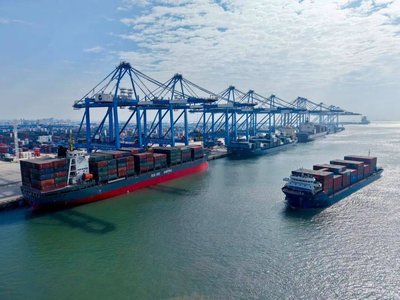
The challenges faced by distributors do not only come from the demand side. The global agrochemical industry landscape is undergoing a transformation. An increasing number of Chinese manufacturers are accelerating their internationalization efforts, continuously expanding their supply capabilities in the areas of generic drugs, intermediates and raw materials.
The influx of low-priced products has exerted price pressure on both manufacturers and distributors, further reducing the profit margins of the entire supply chain. The intensified competition at the upstream supply end has made the distributors in the middle stage of the chain bear the pressure more directly.
What to do next?
Overall, the current business model that has brought the distributors to this position is no longer sufficient to support their progress to the next stage. The core issue lies in: What kind of business model can survive the next few agricultural cycles? For the numerous participants in Brazil’s vast agricultural supply distribution network, the answer not only concerns development but also survival.
Post time: Jul-02-2026
