


We know that in the field of agricultural chemical consumption, permethrin and cypermethrin are two common pyrethroid insecticides. Although their names are similar and both contain chlorine, they have significant differences in chemical structure, toxicity, mechanism of action, and application fields.
Basic Overview of “permethrin“:
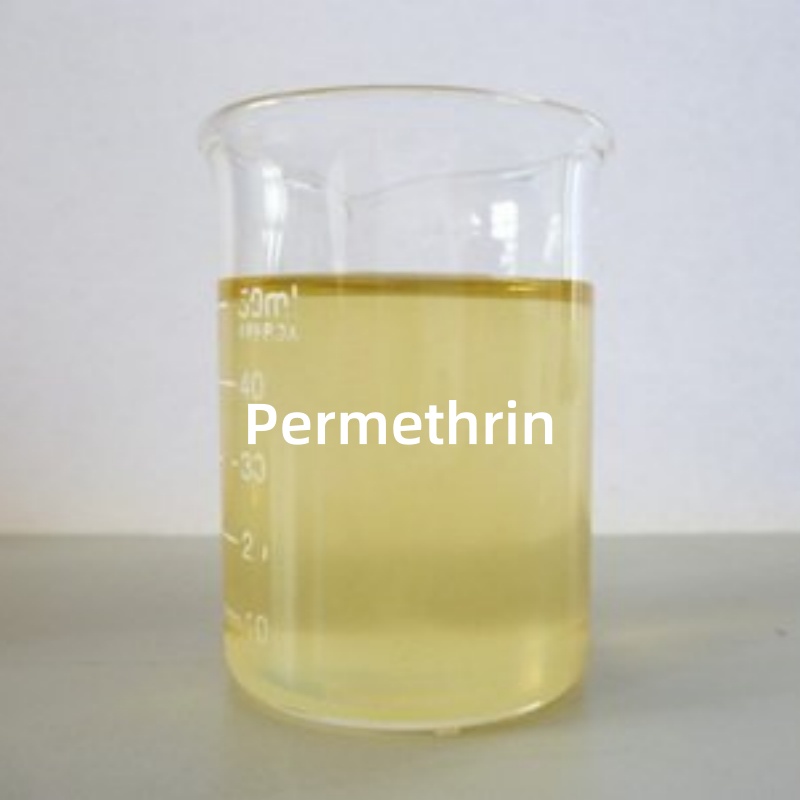
permethrin, also known as dichlor phenyl ethyl pyrethroid, benclopyr etal, etc., is a “master” grade agricultural chemical product in the class of synthetic pyrethroid insecticides.
It was launched earlier and is widely used. It is renowned in the agricultural chemical market for its broad-spectrum insecticidal effect and low toxicity, and is highly favored by early agricultural chemical consumers.
It is used not only on vegetables, medicinal plants, fruit trees and economic forest trees, but also is formulated into various preparations for use in household hygiene for pest control. The most consumed ones include the “mosquito repellent” category in household products.
It is relatively stable in acidic and neutral medium environments. Under visible light and ultraviolet radiation, it is prone to photolysis and reduces its insecticidal effect (the ethylene phosphide emulsion also has this property).
Basic overview of “Cypermethrin “:
“Cypermethrin ” has excellent insecticidal properties and a wide range of applicability. It is effective in controlling various pests such as lepidopterans, hemipterans, dipters, hemipterans, and hemipterans (insect eggs, mites, etc.) on various crops in agriculture, as well as flies, cockroaches, mosquitoes, fleas, lice, and bedbugs in the field of public health.
The differences in action mechanisms between “Permethrin ” and “Cypermethrin “:
“Permethrin ” is a “pyrethroid” insecticide that has been on the market for a relatively long time. It is a compound without the mixed isomers of the “cyano” structure. Its action mechanism mainly consists of “contact killing” and “gastric toxicity”, without “systemic absorption and translocation” or “fumigation” effects.
The insecticidal spectrum is relatively wide, and it also has “egg-killing” and “repellent” effects. It is ineffective against mite pests.
Cypermethrin mainly achieves its insecticidal effect by inhibiting the release of neurotransmitters. It has relatively low toxicity and is safe for mammals, birds and humans, as well as the environment.
While cyfluthrin is a “moderate” toxicity insecticide, it is more toxic than cypermethrin. It acts on the insect’s nervous system (by blocking sodium ion channels to interfere with the nervous system function), and its mode of action is “contact” and “gastric” killing, without “fumigation” effects, but with “egg-killing” effects and “refusal to eat” to avoid harm. It is ineffective against mite and planthopper pests.
It is more effective in killing pests that have developed resistance to “organophosphorus insecticides”. If used alone for a long time, resistance will rapidly develop.
Comparison of application fields between “chloropyridine” and “chlorycypermethrin”:
Chloropyridine is mainly used for protecting crops such as cotton, fruit trees, vegetables, and rice. It can also be used for indoor pest control and prevention of human and animal pests.
The main formulation and content of “chloropyridine” is 10% chloropyridine emulsifiable concentrate at a ratio of 1000 to 2000 times for spraying on stems and leaves. There is also 24% chloropyridine emulsifiable concentrate at a ratio of 800 to 1000 times for spraying. There is also a 5% chloropyridine ultra-low volume agent for sanitary insecticides.
Due to its relatively low toxicity, less irritation, lower toxicity to humans and mammals, and less irritation, “chloropyridine” has a faster knockdown speed and is safer for humans and mammals, making it have a significant advantage over “chlorycypermethrin” in sanitary insecticide use. It is one of the common active ingredients in mosquito incense products (such as mosquito incense and aerosol product series) and insect repellent sprays.
While chlorycypermethrin is widely used in agriculture due to its efficient and broad-spectrum insecticidal effect, it is less used in sanitary prevention and public health fields. It is somewhat “opposite” to “chloropyridine”. “Chlorycypermethrin” is mainly used to control various pests such as Coleoptera, Lepidoptera, and Diptera in agriculture; in sanitary prevention and public health fields, it is used to control sanitary pests such as flies, cockroaches, mosquitoes, and fleas. However, in terms of “application amount” (using the same amount), the unit area application amount of “chlorycypermethrin” is less than that of “chloropyridine”.
The common content and formulation of “chlorycypermethrin” sold in the agricultural supply market mainly include 4.5% chlorycypermethrin emulsifiable concentrate and 10% chlorycypermethrin emulsifiable concentrate. The application concentration is 2000 to 4000 times of the liquid spray.
The comparative advantages of “Permethrin” and “cypermethrin”:
The advantage of chlorpyrifos lies in its low toxicity and good environmental compatibility. It can ensure the insecticidal effect while reducing the harm to the environment and organisms.
While cypermethrin is renowned for its high efficiency, broad-spectrum insecticidal ability, and excellent control effect on pests that have developed resistance to organophosphates. It is an indispensable important tool in the fields of agriculture and public health.
Choose the appropriate pesticide to protect the environment and health:
After understanding the differences between permethrin and cypermethrin, we should pay more attention to making wise choices in actual applications. For different types of pests and prevention needs, choosing the appropriate pesticide can not only improve the prevention effect but also reduce the impact on the environment and living organisms.
At the same time, we should also pay attention to using safely and follow the pesticide safety usage instructions. Avoid splashing the pesticide liquid on the skin or accidentally ingesting it. During the use process, if the pesticide liquid splashes on the skin, immediately wash it with soap and water, and properly handle the waste to prevent pollution to the environment and living organisms.
Summary:
In conclusion, although cypermethrin and Permethrin are both excellent insecticides, they differ significantly in terms of chemical structure, toxicity, mechanism of action, and application fields.
By gaining a deeper understanding of these differences, we can make better choices and use these insecticides more appropriately, thereby contributing to the protection of our environment and health.
Post time: Oct-22-2026
