


On June 30, 2026, the Canadian Department of Health released a new policy, officially approving the use of drones (i.e., remotely piloted aircraft systems, RPAS) for the application of pesticides that have been permitted for regular aerial spraying. This decision came into effect immediately after the 30-day consultation period ended. During the consultation period, over 150 feedback opinions from relevant parties were received, and the majority expressed support for accelerating the implementation of the policy before the 2026 planting season.
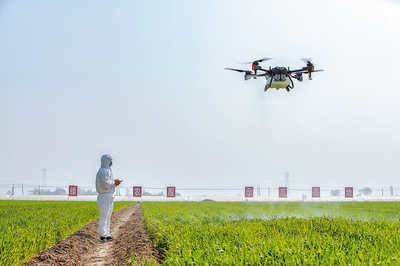
Compared with traditional manned aircraft, unmanned drones have several advantages in agricultural spraying operations. Traditional aerial spraying is greatly affected by weather conditions, especially wind direction, which often leads to mist droplet drift and uneven coverage. At the same time, it consumes a large amount of aviation fuel, with higher operating costs and emissions. Moreover, the payload and spraying system of conventional aircraft make it difficult to achieve precise, low-altitude, and targeted spraying. In contrast, drones can take off and land from restricted areas, fly at a slower speed and lower altitude, achieve higher spraying accuracy, and reduce fuel consumption and emissions.
The Department of Agriculture and Agri-Food, the Canadian Health Department, and various industry parties collaborated to jointly collect empirical data that supported this decision. The new policy has removed regulatory barriers and provided Canadian growers with a more efficient new option for crop protection.
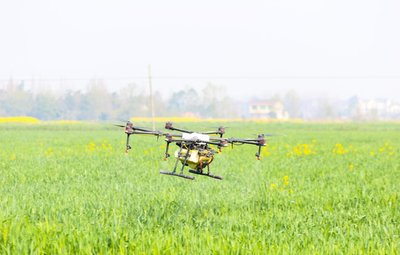
The Canadian Department of Health stated that the use of drones for pesticide spraying does not pose additional risks to human health and the environment, and the risks are comparable to those of conventional aerial spraying methods. This decision enables Canada to keep pace with countries such as Australia and Japan that have already initiated relevant practices in the regulation of pesticide drone applications.
From an operational perspective, starting from June 30, 2026, users must comply with all federal and provincial/territorial laws, including obtaining a valid drone pilot certificate from the Canadian Department of Transport and completing relevant certifications and training.
Post time: Jul-15-2026
