



This study demonstrates that the rhizosphere symbiotic fungus *Kosakonia oryziphila* NP19 isolated from rice roots is a promising plant growth-promoting biopesticide and biopesticide for the control of rice blast caused by *Pyricularia oryzae*. In vitro experiments were conducted on fresh leaves of jasmine rice seedlings of the Khao Dawk Mali 105 (KDML105) variety. The results showed that NP19 effectively inhibited the germination of *Pyricularia oryzae* conidia. *Pyricularia oryzae* infection was inhibited under three different treatment conditions: first, rice was colonized with NP19 and inoculated with *Pyricularia oryzae* conidia; second, a mixture of NP19 and *Pyricularia oryzae* conidia was applied to the leaves;
The rhizosphere bacterium *Kosakonia oryziphila* NP19 14 was isolated from rice roots (*Oryza sativa* L. cv. RD6). *Kosakonia oryziphila* NP19 has plant growth-promoting properties, including nitrogen fixation, indoleacetic acid (IAA) production, and phosphate solubilization. Interestingly, *Kosakonia oryziphila* NP19 produces chitinase 14. Application of *Kosakonia oryziphila* NP19 to KDML105 rice seeds improved rice survival after rice blast infection. The aim of this study is to (i) elucidate the inhibitory mechanism of *Kosakonia oryziphila* NP19 against rice blast and (ii) investigate the effect of *Kosakonia oryziphila* NP19 in controlling rice blast.
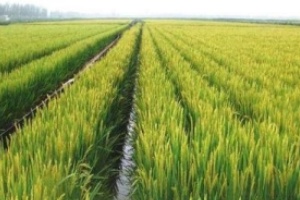
Nutrients play a crucial role in plant growth and development, serving as factors that control various microbial diseases. A plant’s mineral nutrition determines its disease resistance, morphological or tissue characteristics, and virulence, or the ability to survive against pathogens. Phosphorus can slow the development and reduce the severity of rice blast by increasing the synthesis of phenolic compounds. Potassium generally reduces the incidence of many rice diseases, such as rice blast, bacterial leaf spot, leaf sheath spot, stem rot, and leaf spot. A study by Perrenoud showed that high-potassium fertilizers can also reduce the incidence of fungal diseases of rice and increase yield. Numerous studies have shown that sulfur fertilizers can improve crop resistance to fungal pathogens. 27 Excess magnesium (a component of chlorophyll) can lead to rice blast. 21 Zinc can directly kill pathogens, thereby reducing disease severity. 22 Field trials showed that although concentrations of phosphorus, potassium, sulfur, and zinc in field soil were higher than in the pot experiment, rice blast still spread through rice leaves. Soil nutrients may not be very effective in controlling rice blast, as relative humidity and temperature are unfavorable for strong pathogen infestation.
In field trials, Stenotrophomonas maltophilia, P. dispersa, Xanthomonas sacchari, Burkholderia multivorans, Burkholderia diffusa, Burkholderia vietnamiensis and C. gleum were detected in all treatments. Stenotrophomonas maltophilia has been isolated from the rhizosphere of wheat, oats, cucumber, corn, and potato and has shown biocontrol activity against Colletotrichum nymphaeae.28 Furthermore, P. dispersa has been reported to be effective against black rot of sweet potato.29 Furthermore, the R1 strain of Xanthomonas sacchari has shown antagonistic activity against rice blast and panicle rot caused by Burkholderia glumae.30 Burkholderia oryzae NP19 can establish a symbiotic relationship with rice tissue during germination and become an endemic symbiotic fungus for some rice varieties. While other soil bacteria can colonize rice after transplantation, the blast fungus NP19, once colonized, influences multiple factors in the defense mechanism of rice against this disease. NP19 not only suppresses the growth of P. oryzae by more than 50% (see Supplementary Table S1 in the online appendix), but also reduces the number of blast lesions on leaves and increases the yield of rice inoculated or colonized with NP19 (RBf, RFf-B, and RBFf-B) in field trials (Figure S3).
The fungus Pyricularia oryzae, which causes plant blast, is a hemittrophic fungus that requires nutrients from the host plant during infection. Plants produce reactive oxygen species (ROS) to suppress fungal infection; however, Pyricularia oryzae uses a variety of strategies to counteract host-produced ROS. 31 Peroxidases appear to play a role in pathogen resistance, including cross-linking of cell wall proteins, thickening of xylem walls, ROS production, and neutralization of hydrogen peroxide. 32 Antioxidant enzymes may serve as a specific ROS scavenging system. Through their antioxidant properties, superoxide dismutase (SOD) and peroxidase (POD) help initiate defense responses, with SOD serving as the first line of defense. 33 In rice, plant peroxidase activity is induced after infection with plant pathogens such as *Pyricularia oryzae* and *Xanthomonas oryzae pv. Oryzae*. 32 In this study, peroxidase activity increased in rice colonized and/or inoculated with *Magnaporthe oryzae* NP19; however, *Magnaporthe oryzae* did not affect peroxidase activity. Superoxide dismutase (SOD), as H₂O₂ synthase, catalyzes the reduction of O₂⁻ to H₂O₂. SOD plays a crucial role in plant resistance to various stresses by balancing the concentration of H₂O₂ inside the plant, thereby enhancing plant tolerance to various stresses³⁴. In this study, in the pot experiment, 30 days after *Magnaporthe oryzae* inoculation (30 DAT), the SOD activities in the RF and RBF groups were 121.9% and 104.5% higher than those in the R group, respectively, indicating a SOD response to *Magnaporthe oryzae* infection. In both the pot and field experiments, the SOD activities in *Magnaporthe oryzae* NP19-inoculated rice were 67.7% and 28.8% higher than those in the uninoculated rice 30 days after inoculation, respectively. Plant biochemical responses are affected by the environment, stress source, and plant type³⁵. Plant antioxidant enzyme activities are directly affected by environmental factors, which in turn affect plant antioxidant enzyme activities by altering the plant microbial community.
The rice blast disease fungus (Kosakonia oryziphila NP19, NCBI accession number PP861312) used in this study was strain 13 isolated from the roots of rice cultivar RD6 in Nakhon Phanom Province, Thailand (16° 59′ 42.9″ N 104° 22′ 17.9″ E). This strain was cultured in nutrient broth (NB) at 30°C and 150 rpm for 18 h. To calculate the bacterial concentration, the absorbance of the bacterial suspension at 600 nm was measured. The concentration of the bacterial suspension was adjusted to 10⁶ CFU/mL with sterile deionized water ( dH₂O ). Rice blast fungus (Pyricularia oryzae) was spot-inoculated onto potato dextrose agar (PDA) and incubated at 25°C for 7 days. The fungal mycelium was transferred to rice bran agar medium (2% (w/v) rice bran, 0.5% (w/v) sucrose, and 2% (w/v) agar dissolved in deionized water, pH 7) and incubated at 25°C for 7 days. A sterilized leaf of a susceptible rice cultivar (KDML105) was placed on the mycelium to induce conidia and incubated at 25°C for 5 days under combined UV and white light. Conidia were collected by gently wiping the mycelium and infected leaf surface with 10 ml of sterilized 0.025% (v/v) Tween 20 solution. The fungal solution was filtered through eight layers of cheesecloth to remove the mycelium, agar, and rice leaves. The conidia concentration in the suspension was adjusted to 5 × 10⁵ conidia/ml for further analysis.
Fresh cultures of Kosakonia oryziphila NP19 cells were prepared by culturing in NB medium at 37 °C for 24 h. After centrifugation (3047 × g, 10 min), the cell pellet was collected, washed twice with 10 mM phosphate-buffered saline (PBS, pH 7.2), and resuspended in the same buffer. The optical density of the cell suspension was measured at 600 nm, obtaining a value of approximately 1.0 (equivalent to 1.0 × 10⁷ CFU/μl determined by plating on nutrient agar plates). Conidia of P. oryzae were obtained by suspending them in PBS solution and counting them using a hemocytometer. Suspensions of *K. oryziphila* NP19 and *P. For the leaf smear experiments, K. oryziphila* conidia were prepared on fresh rice leaves at concentrations of 1.0 × 10⁷ CFU/μL and 5.0 × 10² conidia/μL, respectively. The rice sample preparation method was as follows: 5 cm long leaves from rice seedlings were cut off and placed in Petri dishes lined with moistened absorbent paper. Five treatment groups were established: (i) R: rice leaves without bacterial inoculation as a control, supplemented with 0.025% (v/v) Tween 20 solution; (ii) RB + F: rice inoculated with K. oryziphila NP19, supplemented with 2 μL of conidia suspension of the fungus causing rice blast; (iii) R + BF: Rice in group R supplemented with 4 μl of a mixture of blast fungal conidia suspension and K. oryziphila NP19 (volume ratio 1:1); (iv) R + F: Rice in group R supplemented with 2 μl of blast fungal conidia suspension; (v) RF + B: Rice in group R supplemented with 2 μl of blast fungal conidia suspension were incubated for 30 h, and then 2 μl of K. oryziphila NP19 were added at the same place. All Petri dishes were incubated at 25°C in the dark for 30 h and then placed under continuous light. Each group was formed in triplicate. After 72 h of culture, the plant tissues were observed and analyzed by scanning electron microscopy (SEM). Briefly, plant tissues were fixed in phosphate buffer containing 2.5% (v/v) glutaraldehyde and dehydrated through a series of ethanol solutions. After critical-point drying with carbon dioxide, the samples were sputter-coated with gold and finally examined using a scanning electron microscope. 15
Post time: Dec-15-2025