



Bacillus thuringiensis is a low-toxicity microbial insecticide. It mainly produces two types of toxins, namely endotoxins (crystal inclusions) and exotoxins, which cause pests to stop feeding and eventually die of starvation, blood deterioration and neurotoxicity.
Insecticidal mechanism
After the Bacillus thuringiensis is ingested by the pest, it parasitizes in the midgut of the host. In the appropriate alkaline environment within the gut, it grows and reproduces. The crystal toxins are hydrolyzed by proteases in the intestinal tract of the insect body, forming smaller toxic subunits. These subunits act on the intestinal epithelial cells of the insect body, causing intestinal paralysis, perforation, paralysis of the insect body, and cessation of feeding. Subsequently, the Bacillus thuringiensis enters the blood cavity for reproduction, causing septicemia and leading to the death of the insect.
The advantages of Bacillus thuringiensis:
(1) The production process complies with environmental protection requirements. After spraying the insecticide, there is little residue left in the field.
(2) The production cost is low. Its raw materials are widely available and all are agricultural and sideline products, with relatively low prices.
(3) The product has a wide range of insecticidal effects. It is toxic to more than 200 species of lepidopteran pests.
(4) Continuous use will form an epidemic area of pests, causing the wide spread of pest pathogen seeds, achieving the purpose of naturally controlling the pest population density.
(5) It has no pollution to the environment and water sources, is harmless to humans and livestock, and is safe for most natural enemy insects.
(6) It can be mixed and used immediately with various other biological preparations, insect growth regulators, pyrethroid spirochete toxins, carbamate, organophosphorus pesticides, and some fungicides and chemical fertilizers.
(7) Alternating the use of insecticides with chemical pesticides can improve the resistance of pests to chemical pesticides.
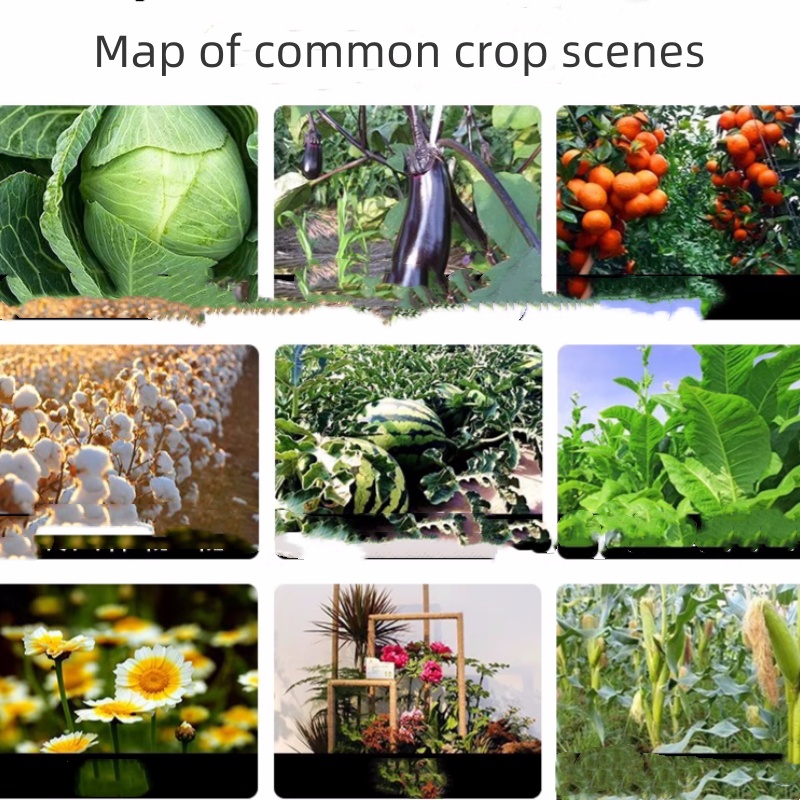
Usage instructions
Control leaf-eating pests such as jujube caterpillars, jujube moth, toxic moth, and prickly moth. Spray the Bt emulsion at a concentration of 500-600 times during the early stage of the larvae’ development. This method provides good results in controlling pests and protecting leaves.
Control jujube and apple codling moth, as well as pear codling moth. During the adult moth’s egg-laying period and the larvae’ fruit-eating period, spray the Bt emulsion (containing 0.2% synthetic pyrethroid) at a concentration of 500-600 times before the larvae attack the fruit. This method offers good results in killing pests and protecting fruits.
Precautions
① It cannot be mixed with disinfectants.
② The silkworm rearing area should avoid using it as much as possible to prevent silkworm poisoning.
③ Bacillus thuringiensis works well when the temperature is high (above 20℃). It is advisable to use it from June to September.
④ This agent is prone to moisture absorption and will form lumps. It should be stored in a sealed, dry and cool place.
Post time: Feb-27-2026